Why Holiday Camps Matter More Than You Think
Holiday camps are often seen as a practical solution for working parents, a way to keep children occupied and safe while school is closed. That is important, of course, but good camps do far more than simply fill the hours. When children spend their days in structured, adventure holiday camps, they are quietly building skills and confidence that can shape how they tackle school, friendships, and family life.
At Adventure Camps, we see this every school break in our venues around Leeds, York and Yarm. In safe, inclusive, adventure-based settings, children try new things, overcome nerves and discover sides of themselves that the classroom does not always reveal. In this article, we will explore what children really gain from holiday camps beyond busy days, and why those gains can last long after pick-up time.
Building Real Confidence Through Everyday Adventures
Confidence does not appear overnight; it grows from lots of small experiences where children stretch themselves and realise, “I can do this.” Adventure holiday camps are full of these moments. When a child joins a sports game, learns a new recipe in a cooking session, codes a simple game in tech, has a go at bushcraft or steps onto a performing arts stage, they are practising feeling a little unsure, then finding their feet.
Because activities are designed to be challenging but achievable, children get used to handling that wobble of “What if I can’t?” in a safe way. Sometimes things go well, and they feel the boost of success. Sometimes they miss the catch, forget the dance move or burn the first pancake, and that is where resilience starts to grow. With patient support from trained staff, they learn to try again, laugh off small mistakes and see progress instead of perfection.
In Ofsted-registered environments with clear routines and expectations, quieter or more anxious children can find space to speak up without the pressure of a classroom. They might start by helping a staff member, then contributing an idea in a group challenge, and gradually joining in games with more confidence. Children who are naturally outgoing are given positive ways to lead, such as captaining a team or encouraging someone who is nervous, which channels their energy into genuine leadership rather than dominance.
Friendships, Teamwork and Social Skills in Action
Adventure holiday camps bring together children who may not know each other, across year groups and sometimes from different schools or areas. That mix gives them a chance to practise starting conversations from scratch, listening to new viewpoints and adjusting to different personalities. For many children, it is a rare opportunity to reinvent themselves a little, without the labels they might feel stuck with at school.
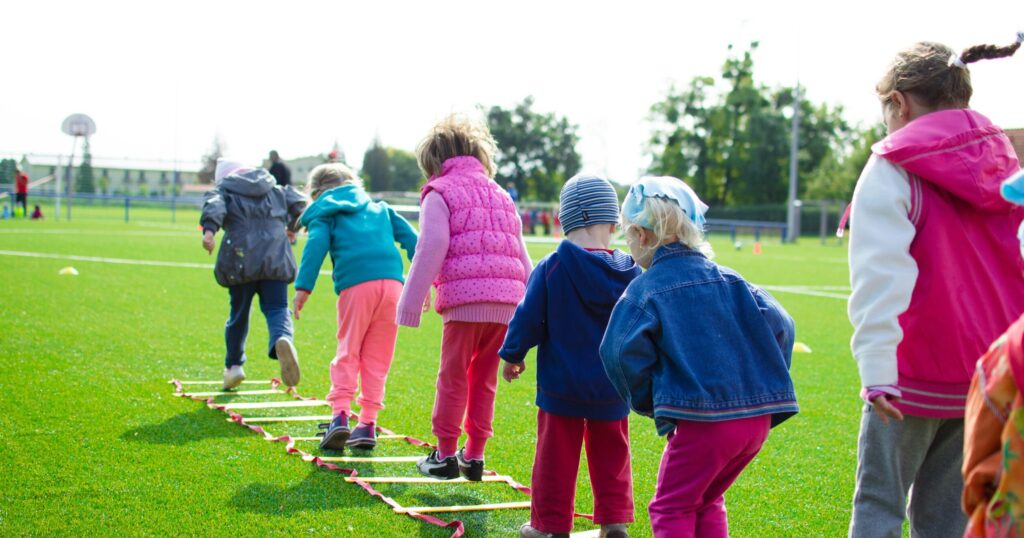
Team activities help these new connections stick. Sports tournaments, relay challenges, group problem-solving and ensemble performances all rely on cooperation. Children learn that to succeed, they need to:
- Take turns and share equipment
- Listen to instructions and to each other
- Offer ideas, but also accept when the group chooses another approach
- Celebrate someone else scoring the goal or landing the leading role
These are the everyday social skills that make classrooms calmer and family life easier, yet they are often easier to practise in a neutral environment with supportive staff. When children return to the same camp over multiple school breaks, they start to recognise familiar faces, look forward to seeing friends again and feel part of a community. That sense of belonging can give them a real lift when they head back to school.
Life Skills You Will Not Find on a Worksheet
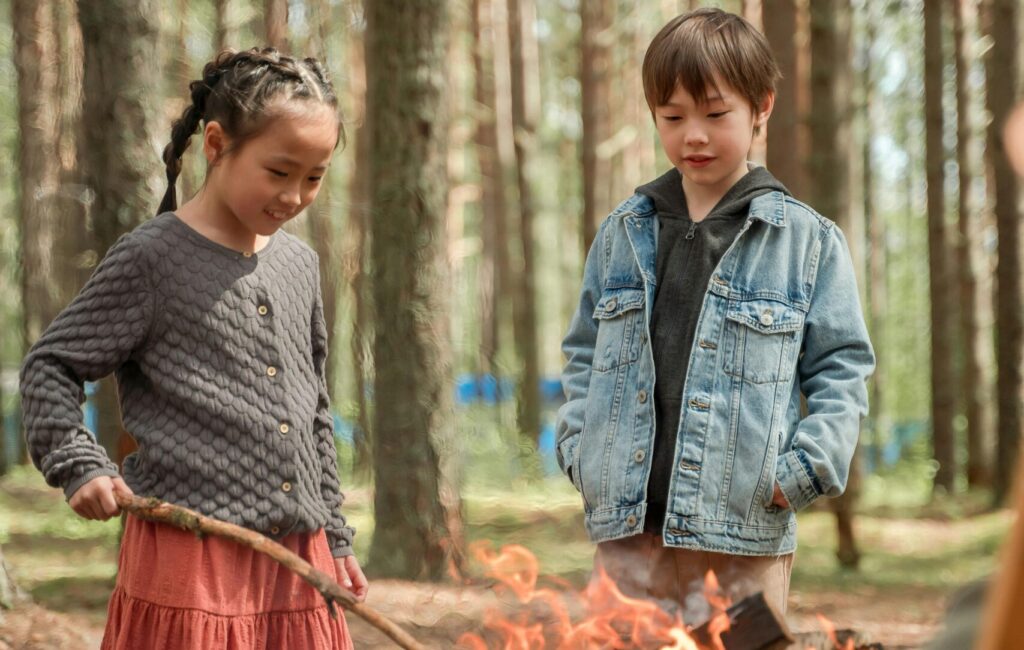
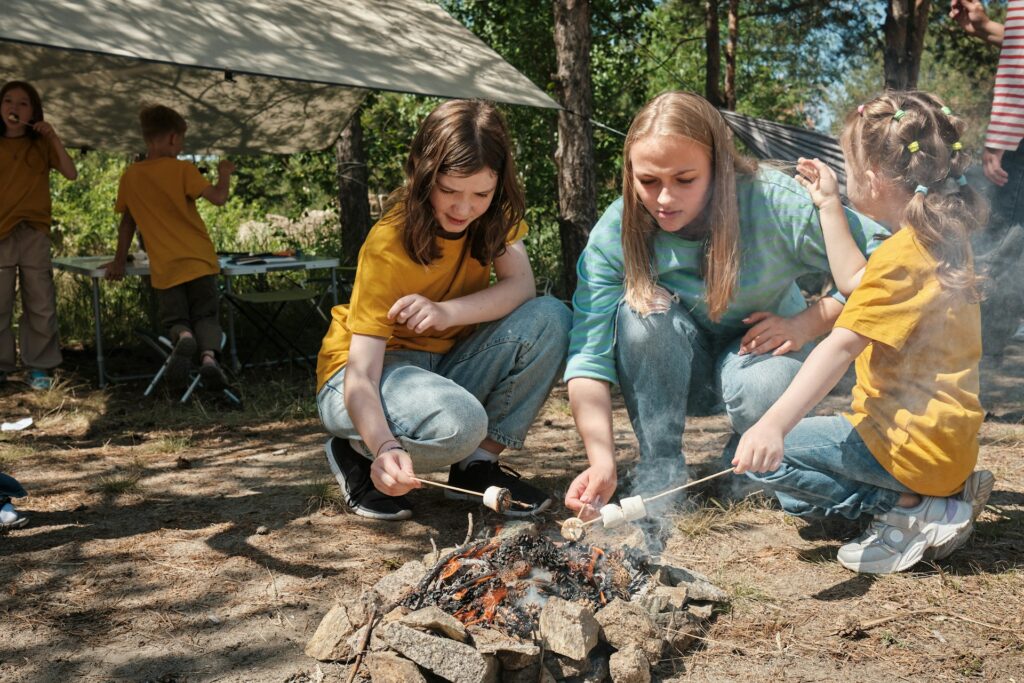
Holiday camps are full of practical learning that often does not look like learning at all. During cooking activities, children might pick up basic kitchen skills, food safety habits and the confidence to help more at home. Survival or bushcraft-style sessions can involve building simple shelters, tying knots or planning how to solve a problem with limited resources. Tech and creative workshops give them the chance to design, experiment and present ideas.
All of this translates into everyday independence. A day at camp often involves:
- Following a timetable and moving between sessions on time
- Keeping track of their bag, water bottle and lunch
- Listening carefully to instructions and asking questions if they are unsure
- Managing their energy across a busy day, noticing when they need a drink or a short rest
Themed adventure holiday camps, such as sports, tech or performing arts, also give children the chance to explore interests more deeply than a one-off after-school club. That can spark new hobbies, shape what they choose for GCSE subjects later on, or simply give them something they genuinely love to talk about.
Independence, Resilience and a Break for the Whole Family
Spending the day away from home, with new adults and new rules, is a big emotional step, especially for younger children. In well-structured camps, they learn that they can cope with different spaces, ask for help when needed and manage small worries without a parent right beside them. Knowing that a familiar grown-up will return at the end of the day creates a safe balance between exploration and security.
Throughout the day, minor setbacks are almost guaranteed. A team might lose a match, it might rain halfway through an outdoor activity, or a favourite game might be fully booked and they have to choose something else. These everyday frustrations are valuable chances to practise resilience, with staff on hand to guide them through problem-solving and calming down, rather than parents needing to step in.
Parents and carers benefit too. Reliable, Ofsted-registered holiday provision can ease the pressure of juggling work, childcare and sibling schedules. When children come home tired in a good way, full of stories and new skills, evenings often feel more relaxed. Instead of trying to entertain restless children after a long day, families can focus on simple, positive time together.
Choosing the Right Camp and Planning Ahead
Not all holiday camps are the same, so how do you decide what is right for your child? A few key things to look for include:
- Ofsted registration and clear safeguarding policies
- Trained, approachable staff with good adult-to-child ratios
- Age-appropriate groups and activities
- A healthy balance between structured sessions and chances for free play
- Inclusive practice, so every child feels welcome and supported
It is worth thinking about your child’s personality as well as their interests. A very shy child might enjoy a camp with smaller groups and gentle encouragement into performing arts or group games. A very sporty child might benefit from adding a tech, creative or cooking day to broaden their experience. The aim is to offer a mix of comfort and stretch, so they feel safe enough to try something that nudges them slightly out of their usual lane.
At Adventure Camps, we run multi-activity and specialist programmes for children aged 3 to 16 in venues around Leeds, York and Yarm, all built around safe, inclusive, adventure-based learning. If you are thinking ahead to May or summer, it is worth exploring local options early, as high-quality adventure holiday camps often fill up quickly.
Giving Your Child More Than Just a Busy Schedule
When you look beneath the timetable, holiday camps are about much more than filling days. Children are building real confidence as they stretch themselves in sports, survival skills, tech, cooking and performing arts. They are forming new friendships, practising teamwork, handling small setbacks and discovering that they can be independent away from home.
The busyness of a well-designed camp day is purposeful, not random. Every activity, transition and team game is a chance for social, emotional and physical growth, wrapped up in fun instead of formal lessons. By choosing adventure holiday camps that prioritise safety, inclusion and genuine learning through play, you are not just solving a childcare puzzle. You are investing in your child’s sense of who they are, what they can do and how they relate to the world around them, during the holidays and far beyond.
Give Your Child A Holiday Packed With Confidence And Adventure
Our adventure holiday camps are designed to help young people build confidence, make new friends and discover what they are truly capable of. We carefully structure each day so children feel supported while they try new activities and enjoy the outdoors. If you would like to talk through the best option for your child, simply contact us and we will be happy to help you get started with Adventure Camps.