Half-term camps are full of energy, games and chances to try new things. For many kids, it’s something to look forward to. But for others, especially those who don’t know anyone there, it can feel a bit overwhelming. Being in a group of new faces, new routines and new rules can take some getting used to.
This is especially true at a multi sports camp where kids are often expected to work together, switch teams, and support one another. That’s a big ask for someone shy or still learning how to handle group situations. With a bit of guidance, though, these camps can help kids grow more confident in social settings, especially when those moments show up naturally through play. Let’s look at some helpful ways to make group time feel more comfortable for everyone. In Leeds, our half-term camps run at school venues such as The Grammar School at Leeds and Moorlands School.
Understanding New Social Situations
When kids suddenly go from familiar routines at home or school into an unfamiliar group, it’s normal for them to feel unsure. A half-term break shakes things up, and even positive changes can make some children feel nervous.
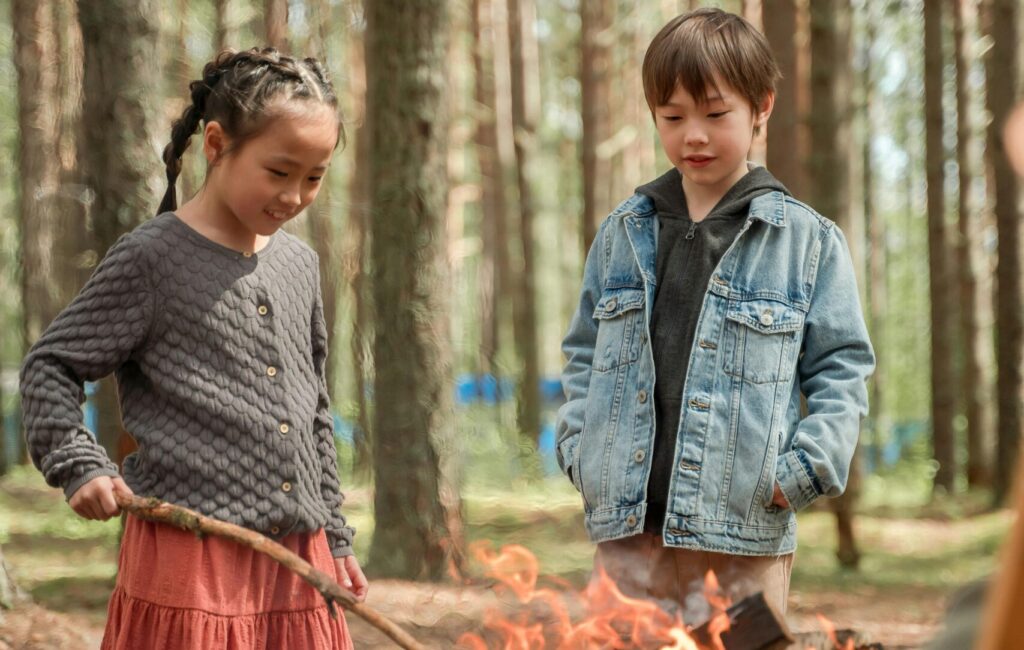
Not all kids show it the same way. Some jump right in, chatting up new friends and diving into games. Others hang back for a bit, watching before they join. And some may need a little help from adults to feel like they belong.
That doesn’t mean anything is wrong. It just means kids are figuring out a new environment. We’ve found that telling children what to expect ahead of time often helps calm those first-day worries. Even a quick chat about meeting new teammates or sharing space can give them something solid to hold onto.
Common Group Challenges Kids Face
Even the most outgoing kids hit a bump now and again. Feeling left out or not being chosen for a game can sting. Not knowing everyone’s names makes jumping into conversation harder. And during half-term in Leeds, when chilly weather keeps kids indoors more, cabin fever can stir up a bit of restlessness.
Some common social crunch points include:
- Not knowing anyone at camp and being unsure how to start talking
- Wanting to join a game but feeling too nervous to ask
- Struggling when groups form quickly and friendships seem already made
- Bumping into moments when space, toys or attention must be shared
These moments are regular parts of group settings. What matters is how we respond to them and help children learn through them.
Supporting Positive Group Play
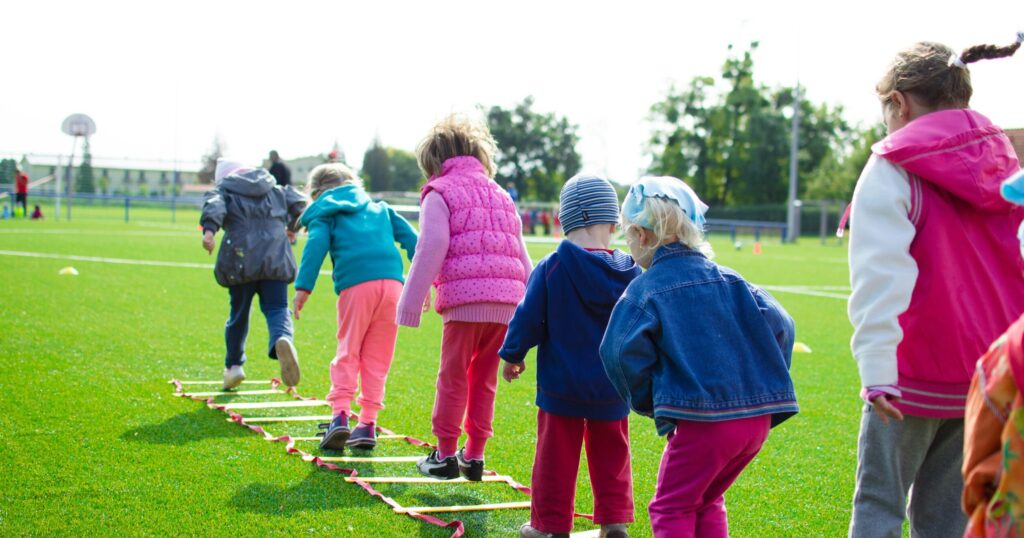
A multi sports camp is one of the best places to practise group play without pressure. The games are structured, teams switch often, and success depends on sharing, listening and working together rather than just being fast or strong. At Adventure Camps, our Sports Camp is for children aged 8 to 14, with age-appropriate groups so everyone can get involved.
Kids are naturally encouraged to try group behaviours that help everyone feel included, like:
- Cheering from the sidelines when they’re not playing
- Pairing up with someone new for a warm-up
- Taking turns without reminders
- Noticing when someone looks unsure and inviting them in
We’ve seen children who started out quiet grow into confident group players by midweek, just from these small, steady social wins. Coaches and camp leaders guide these moments carefully, modelling kindness and fairness without pushing too hard too fast.
Multi sports camps in Leeds offer a structured way to help children learn these social skills step by step. When they see others being friendly or taking turns, they often follow suit, building up the confidence to try themselves. These camps also give plenty of chances for kids to rotate between teams and activities, making it easier to find someone who shares their interests or style of play.
Teamwork is built into most activities, whether it’s passing the ball, cheering each other on, or setting up equipment. The camp atmosphere always encourages effort over perfection, so kids learn it’s fine to make mistakes as long as they keep trying, which helps with both social and sport confidence.
Gentle Ways Grown-Ups Can Help
Before camp even starts, small conversations at home can help lay the ground for a better group experience. Talking through how to introduce yourself or say, “Can I join this game?” takes some pressure off those moments when they come up later.
Other helpful ways include:
- Role-playing short, friendly ways to break the ice
- Talking about what being a good teammate might look like
- Reminding kids that it’s okay to step back and try again later
After camp each day, a low-key check-in helps too. Instead of asking, “Did you make friends?” try “Who did you sit with at lunch?” or “What game did you enjoy today?” These gentle prompts help kids reflect without pressure.
It’s also helpful to let children wind down after a busy day in a new group. They may need a little more time to recharge, especially if they’re still adjusting to mixing with so many new faces. Let them know it’s normal to feel tired after lots of social play and that most kids, even the chatty ones, feel the same way. Encouraging them to share stories or draw a picture about their day can also help them process and feel proud of their efforts.
And it’s worth remembering that a small social success can matter a lot. Something as simple as holding the door or finding the right words to ask someone’s name can carry a child through the rest of the week with more confidence.
When Confidence Grows, Friendship Follows
Group activities can feel messy at first. Children arrive carrying different moods, different worries, different hopes for the week ahead. Some jump straight in. Others hang back, watching, waiting, taking it all in. Most just need a little space to settle. But give it a few days, and something begins to shift.
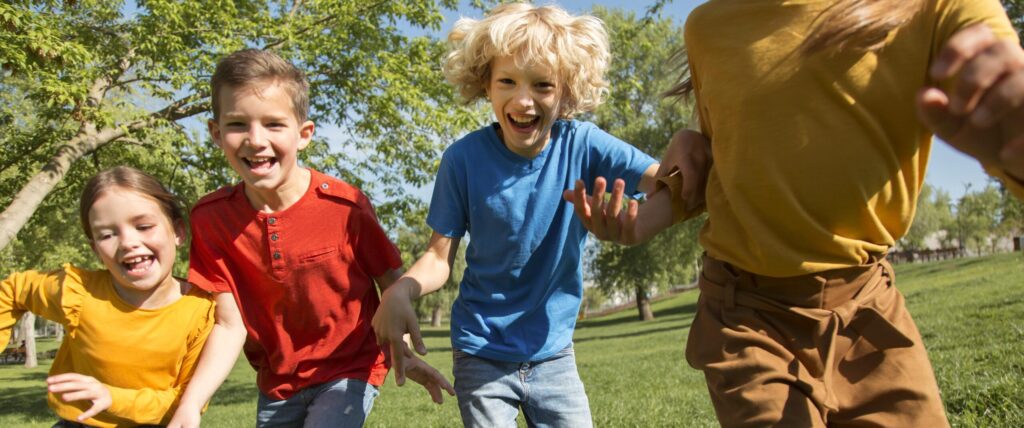
By day three or four, the change is noticeable. The same children who stood on the edge are now linking arms for a relay without being prompted. They start saving seats for one another at lunch. Nicknames appear in games. There’s laughter that feels easier, more natural. Belonging doesn’t arrive with a big announcement. It builds quietly, moment by moment.
The signs show up in small but meaningful ways. A child attempts a tricky challenge because someone is cheering them on. Another volunteers an answer in front of the group when earlier in the week they stayed silent. Camp staff notice these shifts. They pay attention to the subtle cues, offering steady encouragement and reassurance, reminding children that it’s fine not to get everything right straight away. Progress here isn’t about perfection. It’s about participation.
Not every child leaves with a brand-new best friend. But many leave with something just as important: the knowledge that they can join in, share space, take turns and feel part of a group. That confidence lingers long after the week ends.
Half-term camps in Leeds offer more than a way to fill the holidays. They create space for children to practise fitting in, speaking up and working together in a relaxed, active environment. It isn’t magic. It’s repetition, patience and shared experience. With supportive staff, varied activities and room for every personality, our multi sports camp can help children build social confidence that carries into school, clubs and everyday life.