Introduction
Getting your child ready for a leadership development camp can feel exciting yet a bit uncertain. These camps give children a chance to learn teamwork, build their confidence, and explore the art of guiding without always leading. Kids don’t need to be loud or sporty; leadership comes in many forms, and every personality has something to offer. You might feel proud and nervous at the same time, and that is normal for both you and your child.
Whether your child is going to camp near York or further afield, preparing them can make the experience smoother. With winter well underway in areas like Leeds, it’s a good time to think about support before the small bag is zipped and they wave goodbye. Thinking ahead gives you time to talk through plans, answer questions, and sort out any small worries before they grow.
Understand What Leadership Camps Are All About
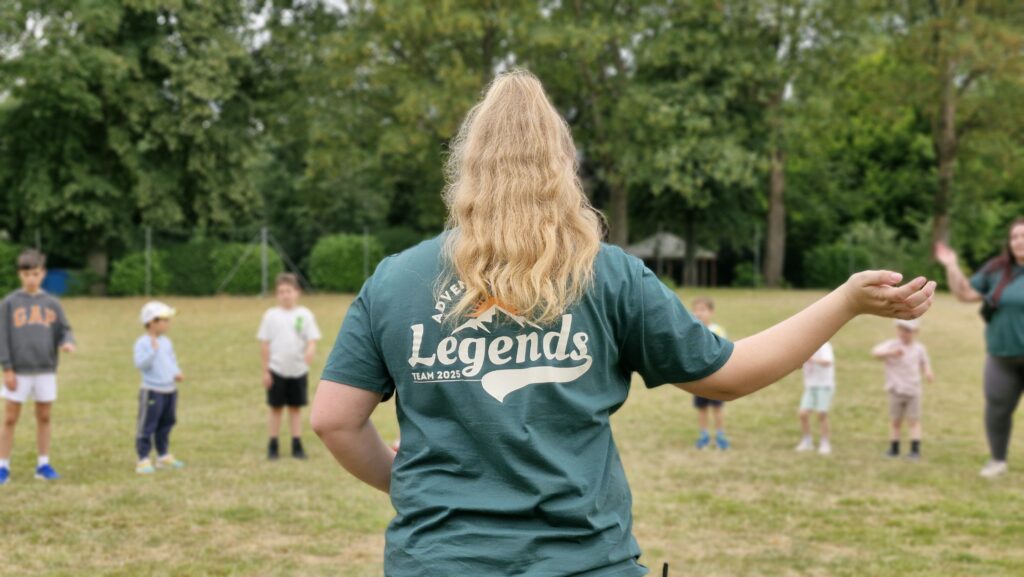
Leadership development camps are not about being the boss or winning every challenge. They focus on helping young people grow through simple skills they can use every day. Group games, discussions, and tasks that require someone to listen or offer help are common. These activities mix challenge with fun, showing that leadership is about helping a friend, giving someone space, or sharing an idea. This kind of clear focus helps children see how their actions affect others in simple everyday moments.
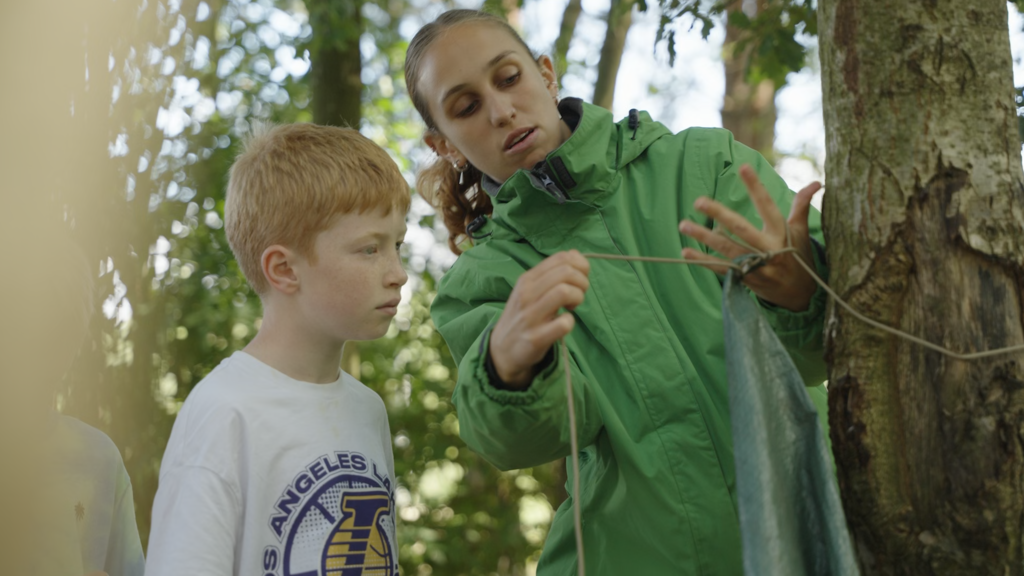
Many activities look like play but hide subtle lessons. For instance, building a group shelter or figuring out how to cross an imaginary river pushes kids to communicate, take turns, and adjust plans when needed. Such experiences mean even quieter children can return with improved social skills and a sense of achievement. They learn that a plan can change, and that this is part of working in a group.
Building the Right Mindset Before Camp
Many kids hear “leader” and think they must always be in charge or the first to speak. It helps to shift that idea early. Leadership can mean small actions like offering to help, stepping back so others can speak, or solving problems together. When children see leadership as everyday kindness, it feels like something they can try, not a prize only a few can win.
Have relaxed talks in the weeks before camp. Ask your child what leadership means to them or if they’ve ever helped someone without being asked. Sharing a time when you too had to ask for help shows that leaders are human, which lowers the pressure. You can keep these chats short so they feel light and easy, such as during a walk or on the drive to school.
Encouraging a flexible mindset is key. It’s okay if things don’t go exactly as planned. What matters is trying, learning, and moving on without getting stuck on being “right.” These small shifts build the resilience needed for new challenges. Remind your child that even grown ups are still learning how to handle new situations.
What Skills Help Kids Feel Ready
Children feel braver when they know they can manage small tasks on their own. Allow them to practise daily activities like packing a small bag or asking for help when needed. Participating in simple group duties at home, such as setting the table or organising a family game night, can boost their confidence. Small tasks give them chances to practise making choices and seeing what happens next.
These little wins send a clear message: “You can do this.” No one starts camp knowing everything, but leaving with the feeling “I can handle changes” makes the experience smoother. Let them practise making decisions at home so new challenges at camp feel less overwhelming. You can praise the effort they put into each choice, not just the outcome.
Teaching kids that feedback isn’t a sign of failure but a new way to try offers further reassurance. Some leadership programmes even break the journey into stages so teens can build their skills gradually. This gentler view of feedback often makes it easier for children to listen to guidance from camp leaders.
Pack the Right Kit for the Weather and Activities
With cold weather expected across much of the UK by late December, packing smart is important. Kids don’t need the latest gear to enjoy camp. What matters most is staying warm, dry, and free to move. A few thoughtful choices can keep your child comfortable for most of the day.
Help your child pack with these tips:
• Layers are better than one heavy jumper, as they can be added or removed as needed.
• A few pairs of dry socks and gloves can make a big difference in wet or chilly conditions.
• A light, easy-to-carry backpack keeps snacks and spare layers close at hand.
Encourage your child to pack with you rather than just watch. Explaining what each item is for helps them feel confident in choosing what to wear or grab at the right time. This makes them feel that the bag is truly theirs and that they can look after it.
Managing Pre-Camp Nerves and Questions
Some children brim with excitement, and others show worry or keep questions to themselves. These reactions are normal. If a child repeatedly asks, “What if I don’t make friends?” or questions sleeping arrangements, it shows they are processing the change. You may notice changes in sleep, appetite, or mood when camp is getting close, and these can be gentle signs of nerves.
Ease nerves by looking over the camping outline together, helping them set one or two small goals like joining a group activity, and reassuring them that quiet moments and breaks are part of the day. Normalising these ups and downs helps children see that they have the tools to handle new challenges without needing everything to be perfect. You can remind them of other times they tried something new and how they coped then.
Helping Your Child Return Proud and Positive
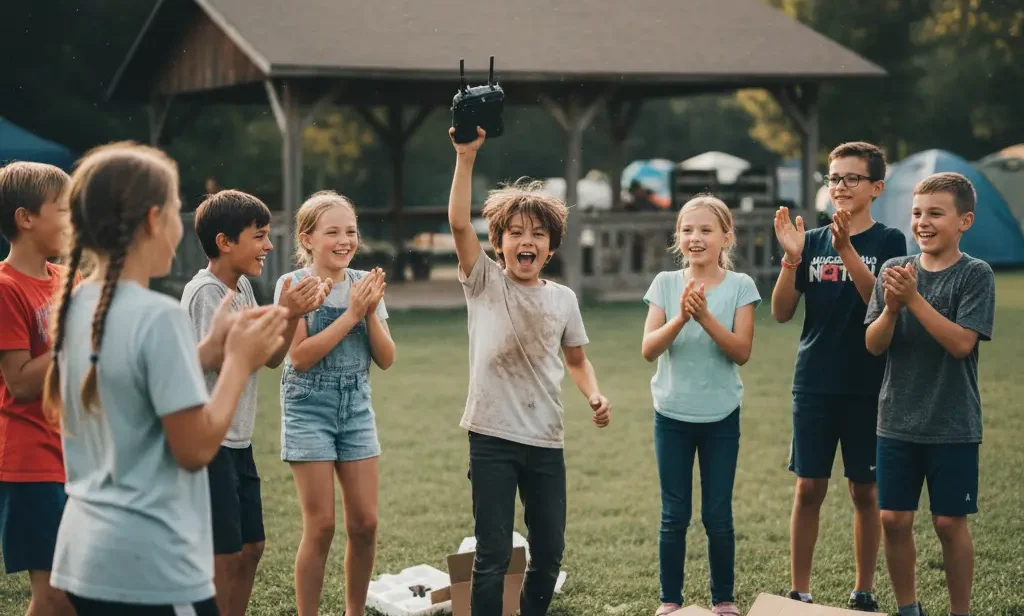
After camp, many children come home with stories of small victories and personal growth. They might share how they solved a problem during a game or helped a teammate, moments that build lasting pride. Even short comments from them about their day can show you how much they noticed and learned.
Your role doesn’t end when they return. Listen as they describe a tricky moment or a fun game and celebrate these small wins quietly. Over time, you may notice changes such as more patience when solving puzzles or improved listening during family chats. Leadership camp is about steady growth, gaining confidence through shared challenges, honest effort, and new experiences. You do not need long talks every time; simple check-ins can be enough.
Curiosity and a desire for more responsibility are qualities to nurture, especially as children grow more comfortable in group settings. Our leadership development camp gives kids across Leeds and York the chance to practise teamwork, stretch their thinking, and build independence in a supportive setting. At Adventure Camps, learning to listen, lead when needed, and trust one’s own voice is as important as speaking up. Send us a message if you’d like to have a chat about how this experience could help your child thrive.