
If you’re thinking about adventure camps in Leeds for the school holidays, chances are you’ve got a few questions. That’s completely normal. Every parent wants to feel sure their child is safe, included, and having fun while they’re away for the day.
With temperatures starting to warm up and spring moving in, many families are already planning their summer schedules. Holiday camps often come up in conversation, especially when kids are buzzing with energy and need something fun and active to look forward to. At Adventure Camps, we run multi-activity and specialist day camps for children aged 3 to 16 at Leeds venues such as The Grammar School at Leeds and Moorlands School, so siblings of different ages can enjoy age-appropriate groups in the same setting. To help make that decision easier, we’ve gathered answers to some of the most common questions parents ask.
What Activities Will My Child Be Doing?
The first thing lots of parents want to know is what kids will actually be doing each day at camp. Holiday camps usually offer a wide mix of hands-on activities to keep children active, curious, and smiling. These can vary slightly depending on the age group, but here are some of the most popular ones:
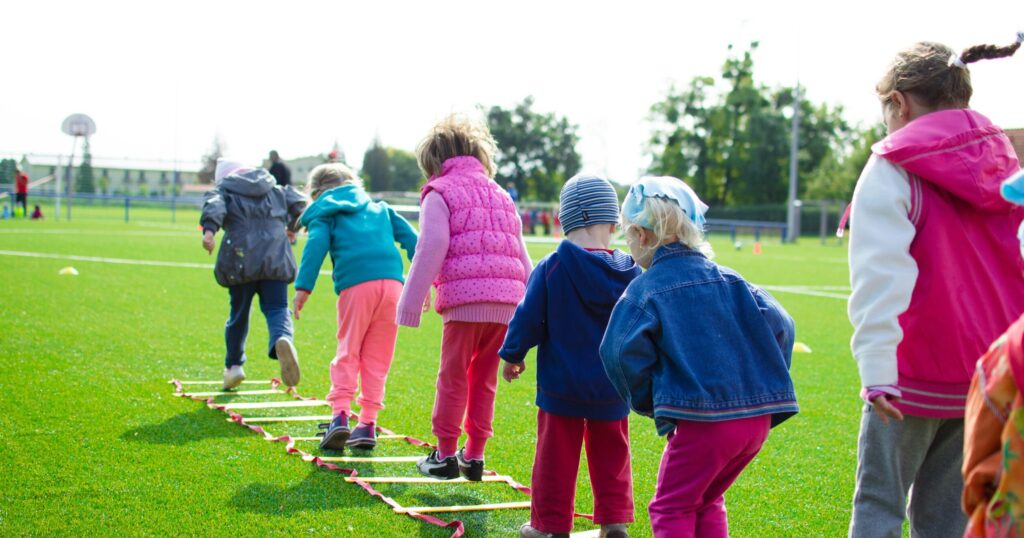
- Outdoor games (tag, obstacle courses, sports)
- Creative projects like arts and crafts
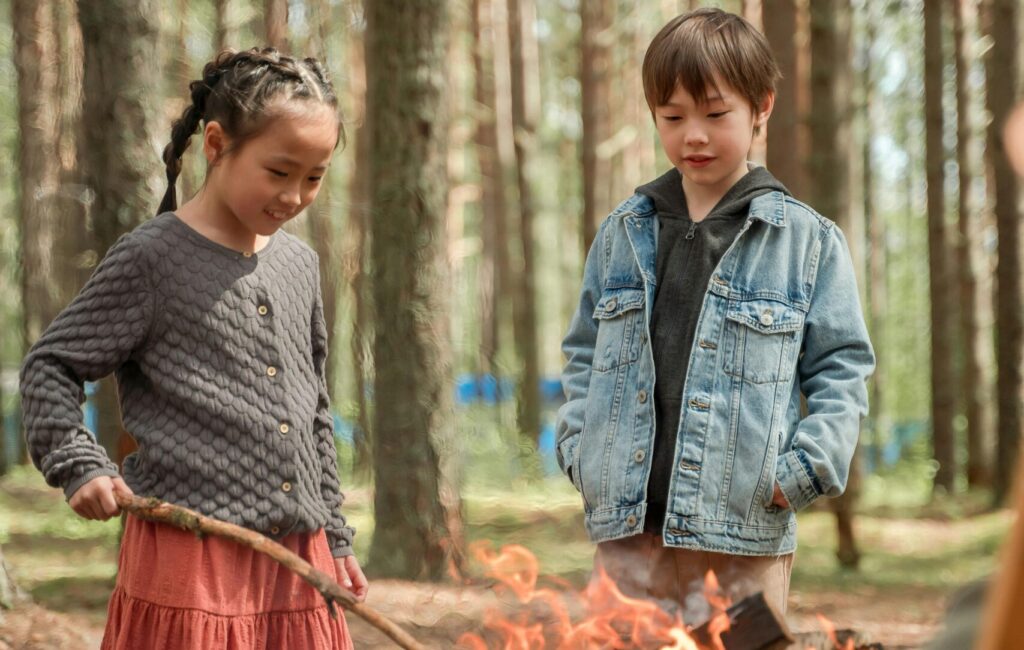
- Nature-based exploration and scavenger hunts
- Team-building challenges
- Camp-style group games and storytelling
Younger children have activities designed to match their pace and attention span, while older age groups can take part in slightly more complex games or physical challenges. Age-appropriate play makes it easier for everyone to stay engaged, participate fully, and make new friends.
A typical day might start with group games to get everyone moving, then break into smaller rotations where kids try different activities. There’s time indoors and outdoors, with flexible plans that adjust for both rainy mornings and sunny afternoons. This balance helps children feel both comforted by routine and excited by variety.
Holiday camps are often tailored to make sure all children have the chance to try something new while still enjoying familiar activities. The variation is designed so that no one feels left out, and everyone has a chance to shine in their own way. Even quieter children usually find something that sparks their interest during the course of a day at camp.
How Do You Make Sure Children Are Safe?
Keeping kids safe during the day is something all parents care about deeply, and with good reason. Camps build safety checks into everyday routines to help make sure children feel supported and looked after.
There are systems in place for everything from group tracking to first aid. Some of the steps may include:
- Staff doing headcounts throughout the day
- Entry and exit checklists at drop-off and pick-up
- Allergy awareness and medication logs
- Sun and weather-related care like shade breaks and hydration reminders
Safety is always a top priority. Each member of staff is trained to follow established procedures, so children are monitored during all activities, on the playground, or in the classroom. Camp teams are selected not only for their skills but for their genuine care for children’s well-being, treating every child with patience and respect.
Staff are trained in basic first aid and child supervision. They know how to spot potential problems before they grow and handle small scrapes or wobbles with calm solutions. If a child has any specific needs, carers can share those ahead of time so everyone’s prepared.
A secure environment is fostered so that families can feel confident about their children’s daily experience. Parents are encouraged to communicate any concerns, and the team is always ready to listen and respond quickly.
Will My Child Be Able to Make Friends?
Many parents ask about the social side of things, especially if it’s their child’s first time or they tend to be quiet around new people. Friendship isn’t something we can guarantee, but we can build the right kind of environment that helps those first connections form naturally.
Here’s how camps often support positive social time:
- Small group sizes to help kids feel noticed
- Play sessions that mix structured and free-choice games
- Trained staff joining in to encourage kind conversation
- Rotating partner activities to gently introduce new faces
Sometimes friendships happen on the first day, sometimes they grow over time. Shy children might need a bit longer, which is why no one is pushed to join in too fast. Staff learn names quickly, help guide conversations and offer small encouragements that help kids feel seen.
Camp is an environment where children practice empathy, cooperation, and learn important social skills. There are many opportunities each day for children to interact, share, resolve conflicts, and work together. The emphasis on supportive staff intervention means that children who might feel lonely are gently included until they find their comfort.
What Should My Child Bring Each Day?
Packing for camp depends a bit on the day’s forecast, especially in Leeds where weather can shift quickly from sunshine to a light drizzle. It’s helpful to prepare children by involving them in packing their own bag. This gives them a sense of ownership and helps them understand what they’ve brought and where to find it.
Here’s a general list of what children might need:
- A refillable water bottle
- Packed lunch and snacks (nut-free if required)
- Weather-appropriate layers (light jumper, raincoat, hat)
- Trainers or closed-toe shoes suitable for running and games
- Spare clothes in case of mud, spills, or water play
- Sun cream and sun hat during warmer days
Staff will usually give reminders about common items or seasonal changes. Early spring mornings may start off cool, then warm up quickly, so layers are always a good bet. Label everything to avoid mix-ups or things accidentally going missing.
Encouraging your child to check their own bag before leaving home helps them build a sense of independence. If they help select their lunch or choose a favourite hat, it adds to their excitement and comfort during the day. Staff members are available to assist with any forgotten items or last-minute problems.
What If My Child Struggles to Settle In?
It’s completely understandable for some children to need time to adjust. Whether they’re new to group settings or just naturally slow to warm up, settling in looks different for each child.
During those first few mornings, kids might feel nervous or unsure. We see this every season and it’s usually short-lived.
To make transitions smoother, staff often:
- Greet children by name right at the entrance
- Match them with a buddy to help break the ice
- Stay close during group time to encourage participation
- Keep families updated if needed, without interrupting the child’s flow
Giving it a few days often makes a big difference. Some children quietly observe before jumping in, while others prefer to start with something familiar. What works best is patience, a steady daily routine, and knowing there’s someone nearby to support if needed.
Children may sometimes need extra reassurance, especially if they’re hesitant or unsure about being away from home. Staff will check in regularly, listen to their concerns, and gently encourage them to take part at their own speed. Over the course of a week, most children build confidence as they become more familiar with the camp environment, routines, and the friendly faces around them.
Giving Your Child Space to Grow and Have Fun
We know that dropping your child off on the first morning might come with a mix of pride and worry. That’s completely normal. Asking questions, planning ahead, and packing in the right clothes helps everyone feel more at ease.
When children feel calm, welcomed, and safe, they’re more likely to get stuck in, try new games, and share big stories on the way home. Camps support far more than play. They help build social confidence, independence, and resilience, one morning at a time.
As the Easter holidays approach and spring brightens up the days, it’s a great time to think about what adventure camps in Leeds can offer your family. Whether your child bounds in with a grin or tiptoes into the group, there’s space for them to grow at their own pace.
Plan ahead for summer and let your child enjoy active, rewarding experiences that help them feel included, try new things, and gain a bit of independence in a safe, structured setting. Discover our range of adventure camps in Leeds to see how the right environment can boost confidence and social skills. At Adventure Camps, we are happy to explain what to expect, how to prepare, and how we support children from the moment they arrive. Contact us when you’re ready to learn more.