Leadership clicks for teens when they get to try it for real. A quiet teen might arrive at camp on day one, unsure where to stand in a group, then a few days later they are calmly organising a team challenge or speaking up with a plan. That change does not come from long talks or slides. It comes from doing, trying, and practising in a safe setting.
At Adventure Camps, we focus on learning by doing. Our Ofsted-registered day camps across Yorkshire and the North East give 13 to 16-year-olds space to test out leadership in real situations, surrounded by supportive staff and friends their own age. We mix adventure and play with clear structure so teens do not just hear about leadership, they live it.
Winter is a great time for families to start thinking ahead to Easter and summer, while there is still plenty of choice. Planning early means your teenager can pick the kind of leadership camps that suit them best, rather than taking whatever is left. Across the year, our approach rests on three pillars that run through our teen programmes:
- Team challenges that build confidence and communication
- Safe risk-taking and smart decision-making outdoors
- Mentoring and a clear young leader pathway
Team Challenges That Turn Teenagers Into Confident Leaders
Team challenges are where teens get their first real taste of leadership at camp. Across our multi-activity days, we run:
- Problem-solving missions and puzzle trails
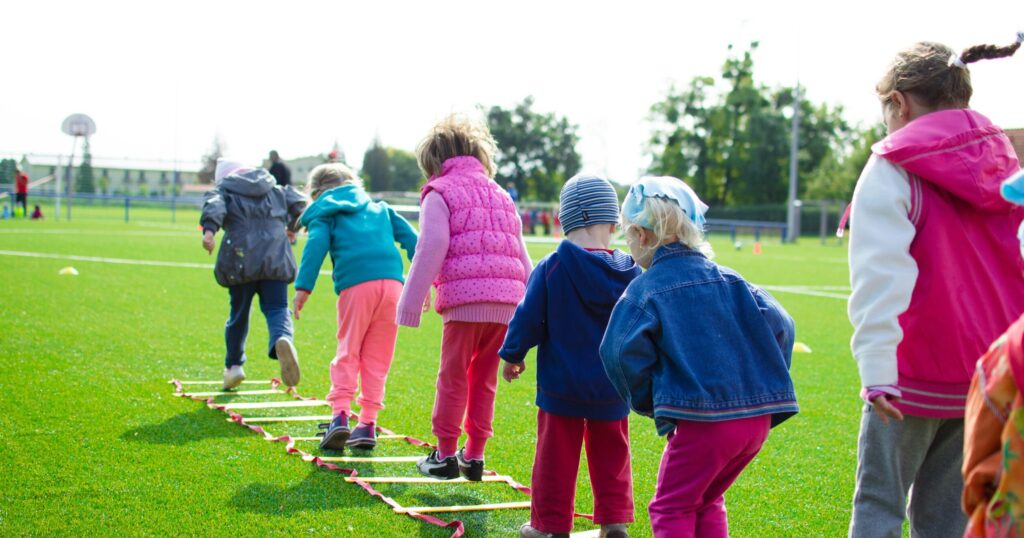
- Obstacle courses and active games
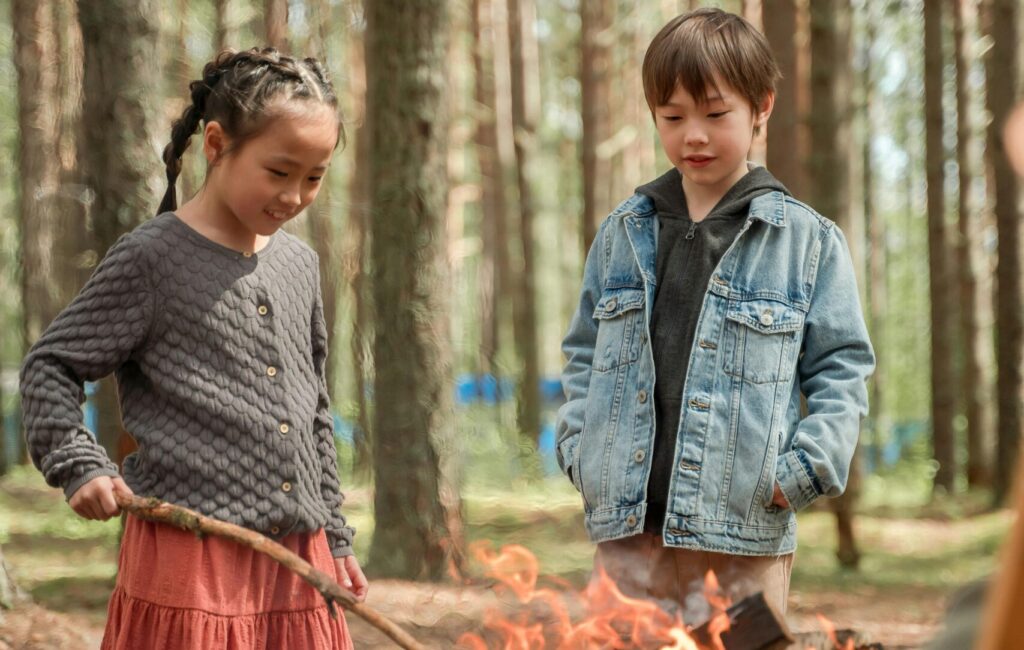
- Survival-style tasks like shelter building
- Creative build projects using simple materials
In each activity, teens move through different roles. One round, they might be the planner; the next round, the timekeeper; then the person who keeps everyone calm and encouraged. This rotation shows them that leadership is not just the loudest voice; it can be the organiser, the listener, or the one who lifts the mood when things get hard.
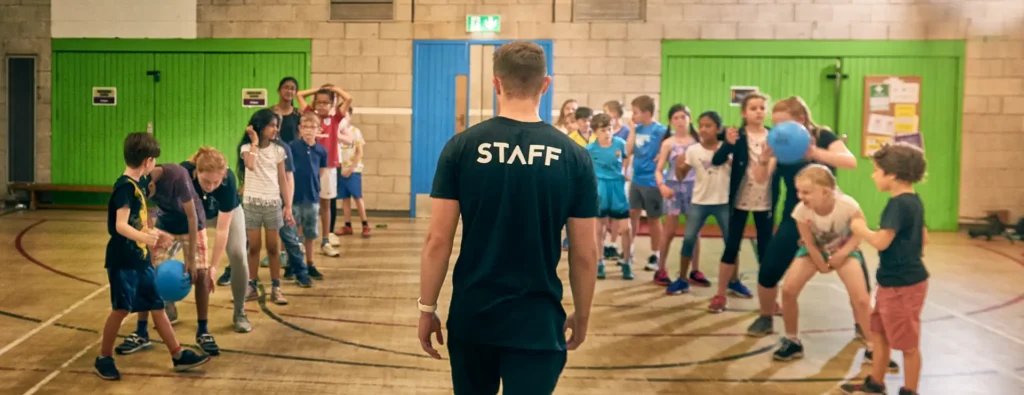
Our instructors step back on purpose. We stay close enough to keep things safe, but we let the group decide who does what, how to share out jobs, and how to sort out small disagreements. This is often where leadership starts to appear: a teen suggests a fair plan, helps two people agree, or notices when someone is being left out and brings them back in.
After each task, we run short debrief circles. Teens talk about:
- What worked well and why
- What did not go to plan
- How it felt when someone took charge
- What they might change next time
These chats are friendly and low-pressure, but they make a big difference. Quieter teens know there will be a clear moment when they can share an idea or reflect on what they noticed. They might not want to shout instructions during the race, but they often shine when explaining to the group what helped them feel included or focused.
The skills from these team challenges follow teens home. Leading a shelter build looks different to leading a school project, but the core habits are the same: speak clearly, listen, divide tasks fairly, and stay calm when things go wrong. Many teens find that after camp they are more willing to lead a sports warm-up, suggest a plan for a Duke of Edinburgh hike, or take more responsibility in a part-time job.
Safe Risk-Taking and Smart Decision-Making in the Outdoors
Real leadership is not just about standing at the front; it is also about keeping people safe and making steady choices under pressure. Outdoor activities are a powerful way for teens to practise this, as long as they take place within a strong safety structure.
At Adventure Camps, we design age-appropriate challenges with what we call managed risk. That might look like:
- Navigation tasks where teams choose between longer, safer routes and shorter, trickier ones
- Survival challenges where they must decide which jobs to do first
- Outdoor games with time limits or changing rules that push them to adapt
In each scenario, teens are encouraged to pause before they race off. Our staff coach them to:
- Assess the situation: Where are we? What is around us?
- Weigh their options: What are the pros and cons of each route or plan?
- Think about consequences: What might happen if we rush or ignore a problem?
- Assign roles: Who is leading, who is checking kit, who is watching the time?
Because we are Ofsted-registered and run by experienced staff, we always hold the final responsibility for safety. Teens are invited to carry out simple checks, like looking at the ground conditions, checking their clothing, or talking about how the team feels, while our team quietly models good practice in the background. This balance means they feel trusted, but never exposed to unmanaged danger.
Regular review sessions help them notice patterns. They begin to see when bold action is helpful, such as pushing for a decision when time is short, and when it is better to slow down and change the plan. Over time, this builds judgement, a sense of responsibility, and a stronger awareness of how their choices affect others.
Mentoring and the Young Leader Journey at Camp
For older teens, leadership really grows when they start to look outward and support others. That is why we offer a clear pathway from older camper to young leader, especially for 14 to 16-year-olds who are ready for more.
This might start small, such as:
- Helping run a warm-up game
- Supporting a younger child in a tricky activity
- Co-leading a small part of a team challenge
Our staff stay close by, giving one-to-one chats and gentle coaching. We talk about what went well, how their tone of voice affected younger children, and what they might try differently next time. Feedback is very specific and positive: rather than vague praise, we point to clear moments, like when they knelt down to a child’s level to explain an instruction, or when they stepped back to let someone else have a go.
A key idea we share is servant leadership: putting other people first, setting a good example, and noticing who might be feeling nervous or left out. Teens often find this style of leadership refreshing. It shows them they do not need to be perfect; they just need to care, try, and be willing to learn.
As they repeat these roles over different school holidays, teens begin to collect real experiences they can talk about later. Helping with group games, planning small activities, and supporting younger campers can all feed into future CVs, college applications, or volunteering roles, because they show clear proof of responsibility and commitment.
Tailored Programmes for Different Types of Teen Leaders
Not every teenager leads in the same way. Some love the spotlight; others prefer to think quietly and come up with smart solutions. Our range of camps gives each type of teen a place to shine.
We offer:
- Multi-activity camps for all-rounders who enjoy a bit of everything
- Sports camps for team players who thrive on movement and tactics
- Tech camps for creative problem-solvers who enjoy digital challenges
- Survival-themed camps for outdoorsy teens who like to be hands-on
- Dedicated young leader development for those ready to step up
Across all our age groups, from younger children to teens, staff adjust the level of challenge. Older teens take on more complex tasks, from planning parts of an activity to supporting their peers, while still having fun and feeling like campers, not staff. This careful step-up keeps leadership exciting rather than overwhelming.
We work hard to make our camps inclusive. That means clear instructions, visual supports where helpful, and patient staff who understand that some teens take longer to warm up. Neurodiverse teens, first-time campers, and naturally reserved young people are all encouraged to find ways to contribute, whether that is quietly checking equipment, sharing a clever idea in the debrief, or leading a small part of an activity.
The real magic often happens when teens return each school holiday. Leadership skills are not a one-off lesson; they grow like a muscle. With each visit, a teen can move from trying out a small role, to owning a full task, to becoming a confident young leader and role model for others.
Build Confident Young Leaders With Our Proven Outdoor Programmes
If you are ready to help your child step up with courage, communication skills and real responsibility, our leadership camps are designed to give them that opportunity. At Adventure Camps, we combine purposeful challenges with expert guidance so young people can practise leading in a supportive environment. Talk to us about your child’s needs and we will help you choose the right programme and dates. To discuss availability or ask any questions, simply contact us today.