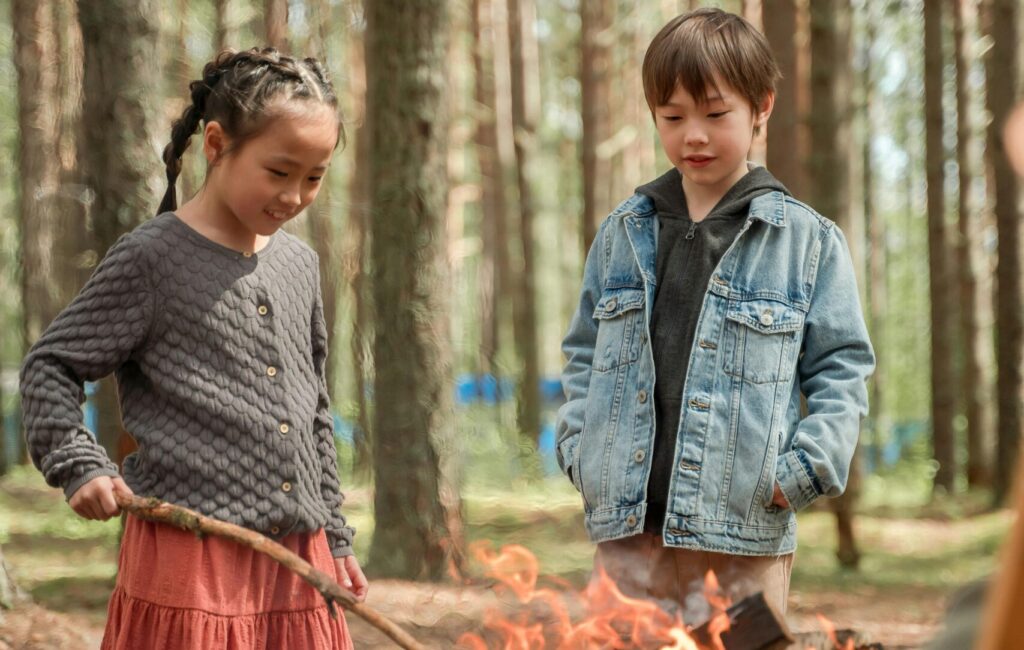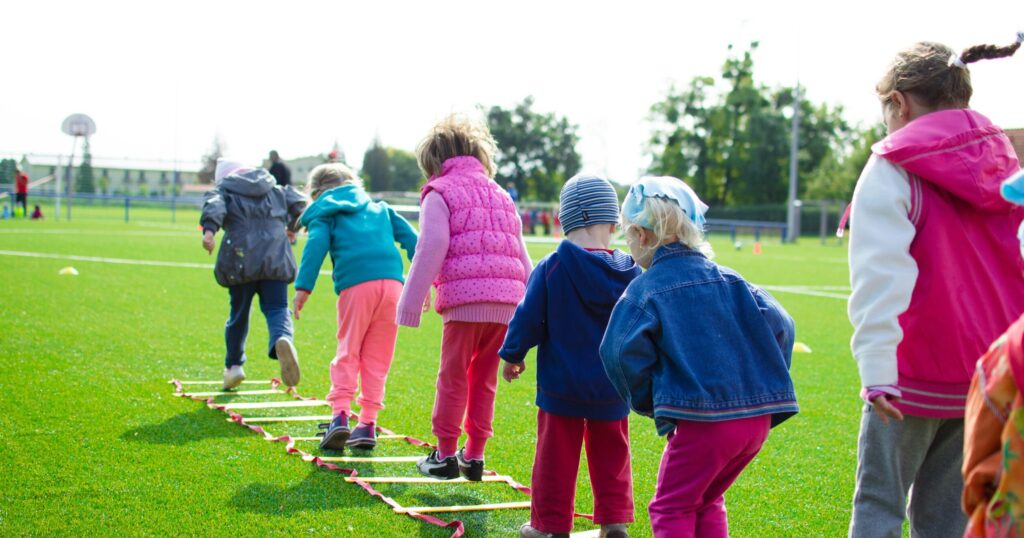

Adventure camps for kids are full of energy, friendship, and fresh air. With so much activity and many children taking part, it is important to stay aware of allergy triggers that might affect someone’s day.
That is why we pay close attention to potential allergens around camp. As an Ofsted-registered provider, we follow clear safety procedures and train staff in first aid so they can respond quickly if something happens. By knowing what the common triggers are and preparing in advance, we can help keep every child included and safe. This guide looks at the allergy triggers we are most likely to come across and how we manage them as part of a fun and healthy experience.
Common Food Allergens to Look Out For
Food allergies are among the most common reasons kids might have a reaction at camp. Many children have allergies to nuts, dairy, eggs, or wheat. These ingredients often show up in snacks, lunch boxes, or shared treats, even when we do not expect it.
We always help children avoid cross-contact, which can happen when shared surfaces or utensils pass tiny amounts of allergens from one food to another. For example, using the same knife for butter and jam can be a problem if a child is allergic to dairy.
Labels and conversations matter a lot. By checking packaging closely and talking openly with parents before camp starts, we can make safe plans that everyone feels comfortable about. These early conversations help us understand which foods need to be avoided and what alternatives will still feel like a treat for each child.
Staff are also trained to look for less obvious sources of these allergens. Sometimes, allergens are hidden in sauces, bakery items, or processed snacks that are brought from home. It’s always best to keep a list of all ingredients and let camp staff know if there are any concerns.
We also encourage children to be open about their allergies with friends. This way, everyone can watch out for one another and feel confident to speak up if they see food being shared in a way that might not be safe.
Outdoor Allergens That May Affect Campers
Outdoor time is a big part of our days, but things like pollen or insects can sometimes cause a problem. This is especially true in spring or summer, when flowers bloom and bugs are more active. Some children may react to grass or tree pollen. Others may swell or itch after an insect bite or sting.
We plan around these outdoor triggers in simple ways. For example, we check weather and pollen levels before heading out, and we know which areas are better for kids with sensitive noses or skin.
It helps to carry allergy medicine in clearly marked kits, ready for quick use. Knowing the signs early, such as sneezing, coughing, or red eyes, can keep small problems from growing into big ones. With good planning and regular check-ins, we make sure everyone can enjoy time outside safely.
Sometimes, it is helpful to pick certain times of day for outdoor activities. For example, pollen levels can be lower in the late morning or after a bit of rain. We might also choose parts of the playground or fields that do not have as many flowers or long grass if we know a camper is sensitive.
Children are encouraged to wash their hands and faces after playing outside, especially before eating. A simple rinse can reduce the chance of pollen sticking around and causing problems later in the day.
Indoor Triggers Campers Might Face
But places such as classrooms or school halls can also have their own allergy triggers. Some common ones include dust, mould, or pet hair that has been carried in on coats or jumpers.
We keep these areas tidy and do regular cleaning to reduce these problems. We encourage kids to keep their belongings in tidy piles and avoid sharing bedding or soft toys if allergies are a concern.
Training helps a lot. When staff know how to spot signs such as sneezing, itchy eyes, or red patches, we can act early and offer help or make a quick room change if needed. Making kids feel comfortable indoors is just as important as outdoor safety.
Whenever ventilation is possible, we open windows for fresh air, which can help clear out dust and make the environment feel better for everyone. We also work with venues to check for damp areas or leaks that might increase mould issues and try to keep spaces as dry as possible.
Children are reminded not to bring in pets or pet items from home, as traces of animal fur can linger on clothing and belongings. We provide storage spaces for bags and coats to help keep common areas as allergen-free as possible.
Products and Materials That Could Cause Reactions
Sometimes the allergy trigger comes from everyday items we use without thinking. Things such as suncream, soap, face paint, or glue might irritate skin or cause rash-like reactions.
We always read product labels and talk with parents ahead of time. If a child has had a reaction to a specific brand or ingredient before, we do what we can to find alternatives or avoid that item altogether.
We offer safe swap-outs where possible, whether that is using a different brand, trying a plain version of a product, or doing a variation of the same game or craft. The goal is for every child to take part without worry.
Children are also encouraged to let staff know if any product feels strange or itchy right away. Acting quickly means we can help before a mild reaction gets worse. We keep alternatives handy, like scent-free wipes or hypoallergenic suncream, so children are never left out of the fun.
When planning craft activities, we look for supplies that are free from harsh chemicals and fragrances. This small step reduces the risk for sensitive children and means everyone can join the activity with confidence.
Signs to Watch For and When to Take Action
Teaching them simple words or signs can make a big difference. We often use clear examples, such as “tell us if your tongue feels funny” or “put your hand up if your throat feels tight.” This encourages them to speak up early.
Here are a few common signs we watch for:
- Itchy skin, hives, or swelling around the face or hands
- Sneezing, coughing, or difficulty breathing
- Tummy pain, sick feelings, or changes in mood like sudden tiredness
We keep first aid plans nearby and make sure allergy records are up to date. Emergency steps are practised calmly so staff and children know what to do without panic. Clear communication with parents before and during camp helps build trust and gives everyone confidence in the plan.
We also run through safety talks at the start of each camp session. Children learn who their main helpers are and are reminded how to ask for help if they don’t feel well. Practice can make children more likely to act early and avoid more serious issues.
Staff take notes every time there is a concern, even if it turns out to be a false alarm. That way, we stay aware of patterns and can adjust routines if needed. Having simple routines for checks and calm reactions makes camp a much more positive place for everyone.
Helping Every Camper Enjoy the Day Safely
Allergies do not need to take the fun out of the day. With a bit of planning, a dose of patience, and a good understanding of what to look for, we can help children enjoy every part of an adventure camp experience.
Simple habits go a long way, such as wiping tables before meals, keeping track of snacks, or choosing safer products for common crafts. Kids notice when adults look out for them, and that care helps build confidence. When the environment feels safe, children are more likely to join in, try new things, and make lasting memories.
If a child does have a reaction, staff always follow the agreed care plan and update parents as soon as possible. This partnership between home and camp ensures no one is left out of important decisions.
Planning ahead for February half term around Leeds or York is the perfect time to secure the right setting for your child to grow in confidence while staying safe. Our camps welcome children aged 3 to 16, with activities planned for different ages and interests across our school venues in Leeds and York. To see how kids can enjoy the outdoors with plenty of freedom, have a look at our adventure camps for kids and discover what they include. At Adventure Camps, we are here to help you feel ready for a fun and safe camp experience, so give us a call if you would like to chat more about what to expect.