Helping Children Feel Ready for Life’s Next Adventure
The move to secondary school is a big moment for any child. It is not just about a new uniform, a different timetable or a longer walk in the morning. It is a clear step towards independence, with new routines to remember, new friendships to build and more responsibility for their own learning and choices.
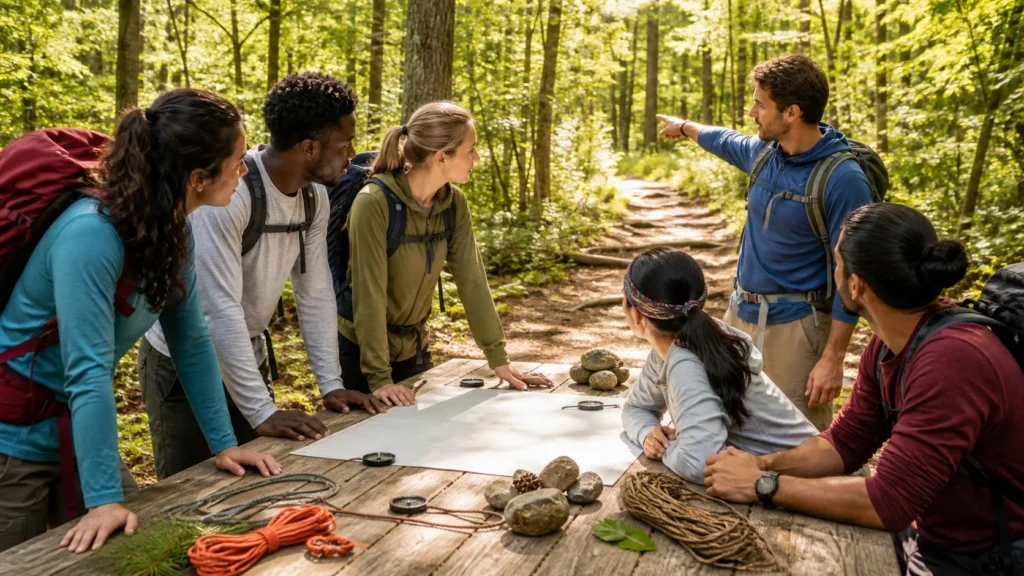
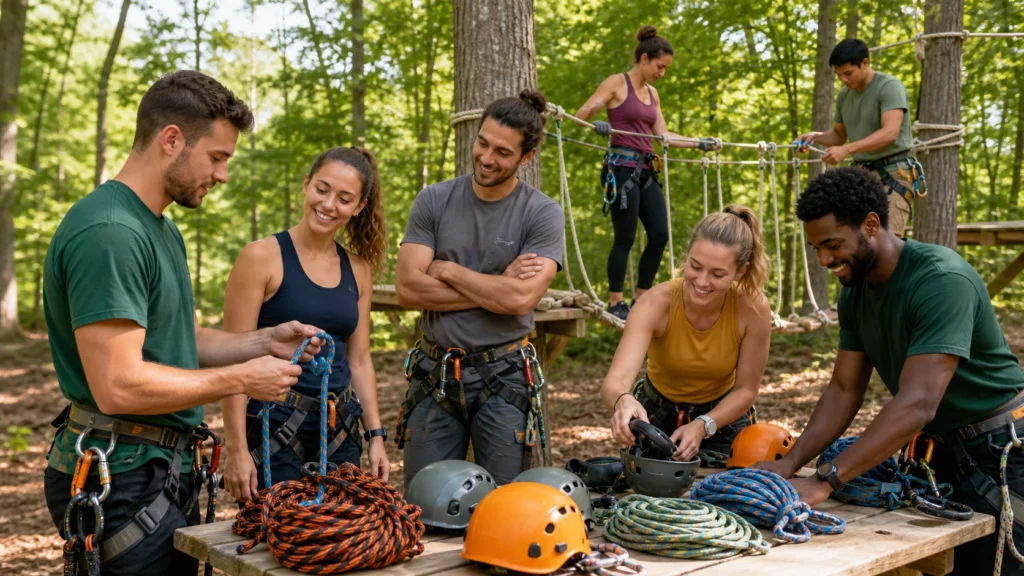
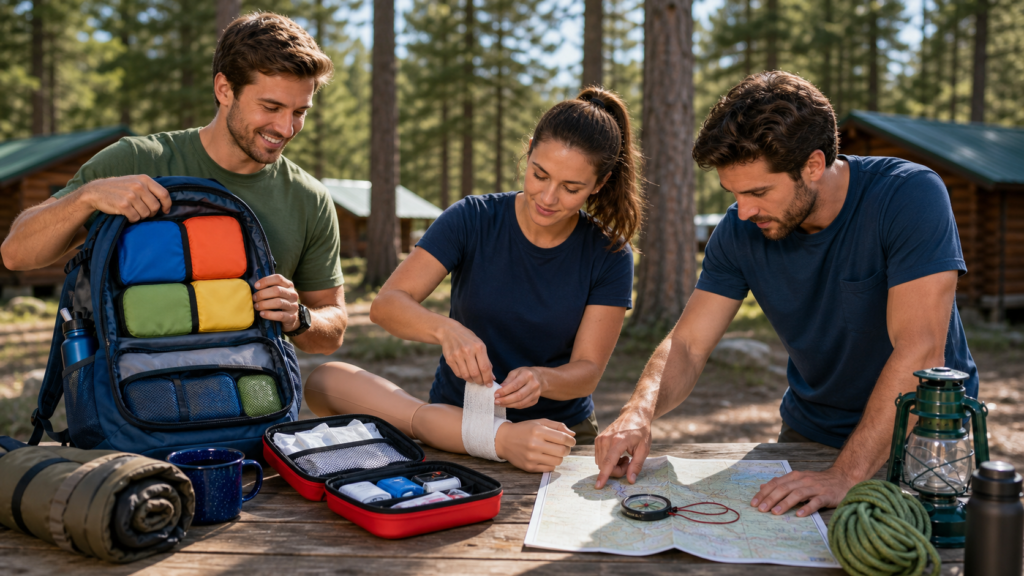
At Adventure Camps, we see every school holiday as a chance to get children ready for that next step. Survival and bushcraft activities are powerful life skills for children, helping them build resilience, confidence and practical problem-solving in a way that feels exciting, not pressured. Through our Ofsted-registered day camps in Leeds, York and Yarm, we support children aged 3 to 16 to try real outdoor challenges, discover what they can do and carry that self-belief back into school and home life.
Why Survival Skills Matter in a Modern Childhood
Modern childhood can be full of structure, from school and clubs to homework and screens. Bushcraft cuts through some of that noise. When a child learns how to stay calm in a woodland, read their surroundings and make sensible choices, they are quietly learning skills that will help them in corridors, classrooms and busy lunch halls too.
Survival skills teach children to weigh up risks rather than avoid them. When they decide whether a branch is strong enough to hold a den roof or when to step back from a campfire, they are practising:
- Risk awareness instead of fear
- Decision-making based on evidence, not panic
- Staying calm when something unexpected happens
- Taking responsibility for themselves and those around them
There is a big emotional side as well. Outdoor challenges rarely go perfectly the first time. Fires go out, dens fall down, sticks snap, marshmallows end up in the ashes. When children learn to shrug, laugh, try again or try something different, they are building perseverance and a healthy attitude to mistakes.
These survival experiences translate into everyday life skills for children. A child who has sorted out a wet shelter in the woods is better prepared to cope when a group project goes wrong or when friendship issues pop up at school. They understand that problems can be broken down, talked about and solved, step by step.
Fire-building and Safe Risk-Taking
Fire is one of those activities that children are naturally drawn to. At our bushcraft camps in Yorkshire, we teach fire building in a careful, controlled way so that curiosity is matched with respect.
Children learn what actually makes a fire work. They gather dry materials, talk about the fire triangle of fuel, heat and oxygen, and see how different sizes and shapes of wood behave. Under close supervision, they learn how to light a fire safely and how to keep it going without wasting resources.
Alongside the excitement, we spend a lot of time on the safety side. Children learn:
- Why fires are only lit in agreed areas
- How to sit, stand and move safely around flames
- How to use fire-lighting equipment correctly
- When not to light a fire at all
This combination of real responsibility and clear boundaries is a powerful lesson in safe risk-taking. Children experience the thrill of doing something grown up, while also learning that rules exist for good reasons. It is the same balance they need in secondary school, where they will have more freedom but also more expectations on their behaviour.
Den Building and Problem-Solving in the Wild
Den building looks like pure play, but it is packed with planning and problem-solving. Children start by choosing a location. They think about shelter from wind and rain, where water might run, how close they are to other groups and whether the ground is suitable. Then they look for natural materials, working out what will bend, what will break and what will hold weight.
They quickly discover that a good den rarely appears on the first attempt. Roofs sag, gaps appear, and everyone has different ideas about the best way to fix them. With guidance from our team, children learn to:
- Share ideas and listen to others
- Take on different roles, from leader to helper
- Test their structure, spot weak points and improve them
- Communicate clearly when a plan needs to change
These are exactly the group skills they will use in the classroom. Working on a science experiment or a drama piece calls on the same abilities: planning, negotiation, compromise and staying positive when things go wrong. At Adventure Camps, children get regular chances to build, rebuild and experiment with dens, so they can practise these skills without the pressure of grades or assessments.
Foraging, Food Awareness and Respect for Nature
Foraging is another bushcraft activity that opens up all sorts of learning. At a child-friendly level, it is about identifying a few safe, common plants, understanding what must never be picked and why, and spotting clear differences between them. The message is always that children never eat anything they have picked unless a trained adult has checked it carefully.
From that simple rule, a lot of respect grows. Children begin to see the countryside as a living system, not just a backdrop. They learn:
- Some plants are safe, some are harmful, and it matters to know which is which
- Wildlife relies on many of the things we see in hedges and woods
- Taking only what is needed is part of caring for nature
- Food has a story before it reaches plates and lunchboxes
At our bushcraft programmes, foraging is carefully supervised and tightly controlled. We use it to teach wider life skills for children, such as responsibility, patience and gratitude. When a child learns that you cannot rush nature, they also learn that good things often take time and attention.
Whittling, Focus and Fine Motor Skills
Whittling feels incredibly special to children, because it introduces them to real tools. Under strict safety guidelines, we teach them how to hold and pass a knife correctly, how to sit while using it and how to carve away from their body at all times.
Projects are simple and satisfying, such as smoothing a stick, carving a basic shape or adding a few careful details. The focus is on tool respect rather than speed. Children discover that if their mind wanders, the work becomes messy and unsafe, so they naturally practise concentrating on the task in hand.
Whittling supports:
- Fine motor skills and hand-eye coordination
- Patience and steady breathing
- Pride in creating a physical object
- Self-control around potentially risky equipment
These are qualities that help children in school when they tackle handwriting, art, design-technology or any subject that asks them to slow down and think.
Turning Bushcraft Into Everyday Confidence
The beauty of fire building, den building, foraging and whittling is that they do not stay in the woods. The skills and attitudes children develop come home with them and walk through the school gates. They learn to think ahead, to assess risks calmly, to work with others and to bounce back when something fails.
At Adventure Camps, we see bushcraft as a fun, practical way to grow the core life skills for children that secondary school demands. Communication, leadership, decision-making, self-awareness and emotional resilience all get stronger when children have real outdoor experiences and the space to reflect on them. By giving them safe chances to test themselves in the wild, we help them feel more ready for whatever their next big adventure might be, from a new classroom to a brand-new school.
Help Your Child Build Confidence With Real-World Skills
If you are ready to give your child practical experience that goes beyond the classroom, our Survival Camp is a great place to start. At Adventure Camps, we focus on developing essential life skills for children through hands-on outdoor challenges and supportive guidance. If you would like to discuss what would suit your child best, you can contact us and we will be happy to help you plan their next adventure.