Safe, Sun-Filled Adventures You Can Feel Confident About
Choosing childcare for the school holidays is a big decision. You want your child to have real fun, not just pass the hours, and you also need to know they are safe, cared for, and coming home happy at the end of the day. That is where Ofsted-registered holiday camps come in for many UK families.
These camps mix high-energy play with professional standards in safeguarding, staff checks and daily routines. Ofsted registration is not just paperwork; it shows a camp is meeting national expectations for safety, quality and leadership. At Adventure Camps, we run Ofsted-registered holiday clubs and day camps in Leeds, York, Yarm and Cambridge for children aged 3 to 16, so we see every day what a difference that structure makes.
In this guide, we will walk through what Ofsted-registered holiday camps actually offer, which standards they have to meet, and how you can pick a camp that suits your child’s age, interests and personality.
What Ofsted Registered Really Means for Your Child
Ofsted is the organisation that inspects and regulates schools, childcare and early years settings in England. When a holiday camp is Ofsted-registered, it means it is on Ofsted’s register and is inspected against clear standards for care, safety and organisation.
To be registered, a camp must have:
- Strong safeguarding policies and clear steps if a concern is raised
- Staff suitability checks such as DBS checks and reference checks
- Appropriate staff-to-child ratios for different ages
- Health and safety procedures covering the site, activities and equipment
- Leadership and management systems so the camp is run in a planned, consistent way
This is quite different to an unregistered holiday scheme. With an Ofsted-registered camp, there is:
- External accountability through inspections and reports
- A formal complaints process if parents have concerns
- Ongoing quality checks, not just good intentions
When Ofsted inspects a provider, they give a grade such as Outstanding, Good, Requires Improvement or Inadequate. Parents can search for a provider’s Ofsted report and registration details online to see what inspectors said about safeguarding, staff, and overall quality.
There can also be financial benefits. Parents may be able to use options such as childcare vouchers, Tax-Free Childcare or Universal Credit support with registered providers, which is not usually possible with unregistered schemes.
Safety, Wellbeing and Inclusion at the Heart of Every Day
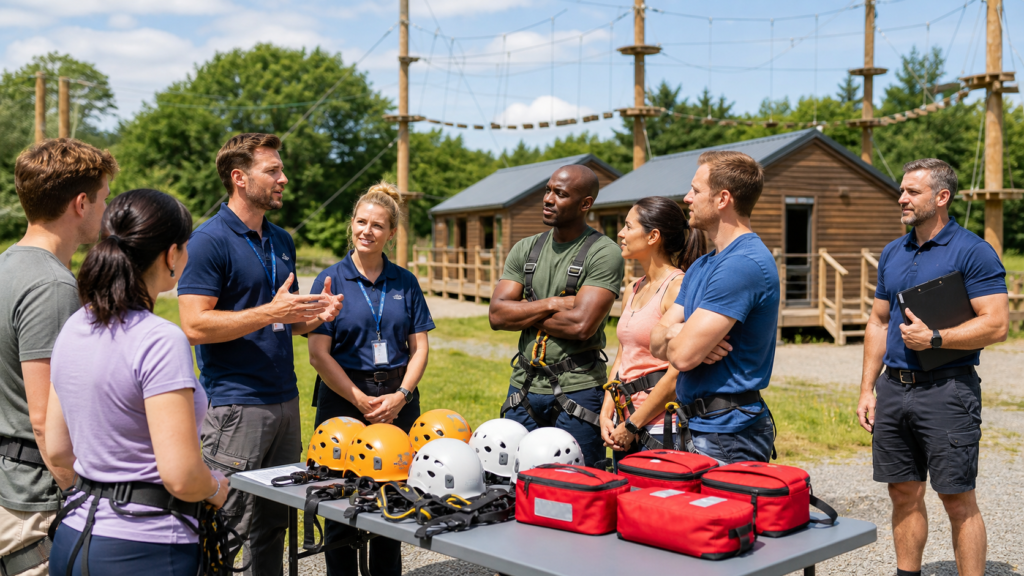
At a good Ofsted-registered holiday camp, safety starts the moment you arrive. You can usually expect secure sign-in and sign-out, with only named adults allowed to collect, as well as clear visitor controls so staff know who is on site. Camps also carry out risk assessments for each activity, from sports to crafts, and follow simple emergency procedures that staff practise and children understand.
Staff training is a big part of this. Teams are typically trained in:
- Paediatric first aid and basic first response
- Safeguarding and recognising worries or concerns
- Positive behaviour management strategies
- How to welcome nervous or first-time children
Emotional wellbeing matters just as much as physical safety. Ofsted-registered holiday camps aim to build confidence, not just burn off energy. In practice, that often means gentle support for a child who is shy in group games, encouraging friendships through team challenges, and giving children chances to succeed at new skills.
Inclusive practice is woven into the day. Many camps adapt activities so children of different ages and abilities can join in together. This can include:
- Quieter zones for children who need a break
- Sensory ideas for children who like different textures or movement
- Flexible groupings so siblings or friends can stay close if that helps
Good communication with parents ties it all together. You can expect clear information about the plan for the day, honest feedback at collection time, and prompt incident reporting if something happens. At some camps, there may also be photo or activity updates so you feel connected even while you are at work.
The Mix of Activities That Make Summer Really Memorable
One of the best parts of Ofsted-registered holiday camps is the range of activities. Children are not stuck doing the same thing every day. A typical week might include:
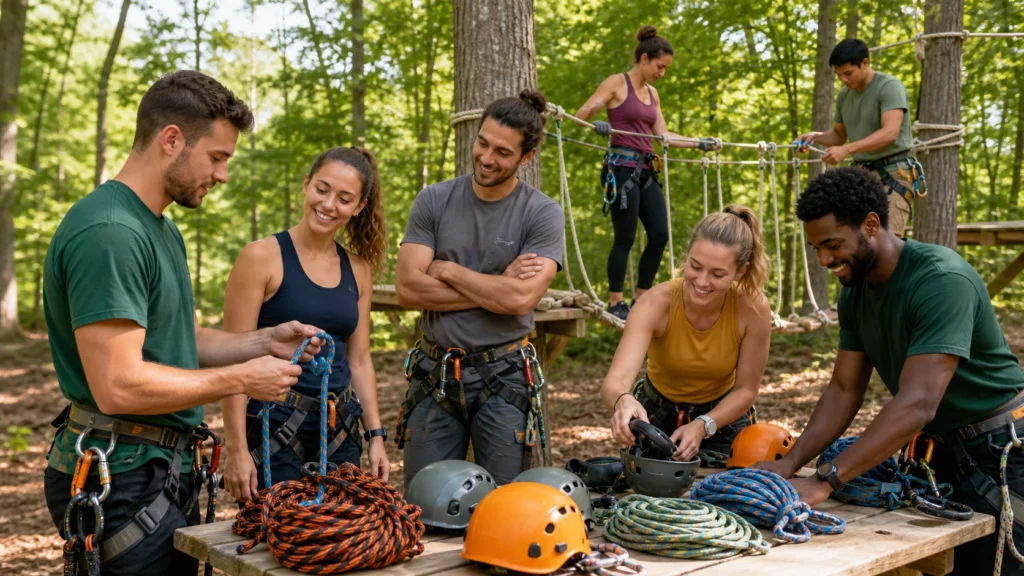
- Outdoor adventures such as team games, sports and nature trails
- Bushcraft-style challenges, like shelter building or simple survival skills
- Creative sessions including arts, crafts, drama or music
- STEM-style activities with basic experiments, building and problem-solving
Activities are usually grouped by age. For example:
- Ages 3 to 5 often enjoy play-based learning, story-led games and gentle outdoor play
- Ages 6 to 11 tend to get more skill-building, team challenges and mini-tournaments
- Teens may have more independence, leadership roles and advanced activities
The best camps balance pure fun with personal growth. Through games and challenges, children build resilience when something is tricky the first time, develop problem-solving as they work out clues or build structures, and practise cooperation, leadership and communication as they share ideas and listen to others.
In summer, camps often make the most of the longer days and better weather, with sun-safe outdoor sessions, water-based play, where suitable, and lots of fresh air. At Adventure Camps, that might mean woodland exploration near Leeds or York, outdoor team challenges in Yarm, or sports and creative sessions using great facilities in Cambridge.
Practicalities Parents Need to Know Before Booking
Before you book, it helps to know how the day will actually run. Most Ofsted-registered holiday camps offer:
- Core hours that fit a standard school day
- Optional extended sessions at the start and end of the day for working parents
- Flexible booking options, from single days to full weeks
When you look at a camp’s information, it is worth checking:
- The Ofsted registration number and latest inspection grade
- Clear policies for safeguarding, behaviour, health and safety
- Sample timetables that show the rhythm of the day
- Age ranges and any specialist provisions or focus areas
Children are usually asked to bring:
- A packed lunch and snacks, following any nut or allergy guidance
- A refillable water bottle
- Weather-appropriate clothing, including waterproofs or light layers
- Labelled the sun cream and a sun hat in warm weather
- Any medication, with written instructions and medical forms
Common worries are very normal. Parents often ask how camps handle dietary needs, behaviour or anxious children. Ofsted-registered providers will have written systems for allergies and medical needs, behaviour policies that focus on positive support rather than punishment, and gentle ways to help children who are unsure or do not know anyone yet, such as buddy systems or small group introductions.
Sharing extra information about your child in advance, such as additional needs, fears or favourite interests, allows staff to plan and support them more thoughtfully.
How to Choose the Right Camp and Make This Summer Count
With lots of options out there, a simple checklist can help. When comparing holiday camps, think about:
- Location and travel time from home or work
- Ofsted registration and inspection grade
- Activity mix and how it fits your child’s interests
- Age fit, including how wide the age range is in each group
- The camp’s overall feel and values, based on photos, wording and staff replies
It can really help to involve your child in the choice. You could look at activity lists or photos together and see what excites them, talk honestly about any worries they might have, and set simple goals, such as trying one new activity or making one new friend.
Choosing an Ofsted-registered holiday camp gives you added peace of mind around safety, care and accountability, as well as possible access to financial support options. At Adventure Camps, our Ofsted-registered holiday clubs in Leeds, York, Yarm and Cambridge are built around safe adventure, inclusive fun and real personal growth for children aged 3 to 16.
When you pick a well-run, Ofsted-registered camp, you are not just filling childcare hours. You are giving your child space to grow in confidence, try new things and make memories that will stay with them long after the school holidays end.
Give Your Child A Safe And Exciting Holiday Adventure
Choose our Ofsted-registered holiday camps to give your child active, supervised fun in a secure environment. At Adventure Camps we follow robust safeguarding standards so you can feel confident about every day they spend with us. If you have any questions or would like help with booking, please contact us and we will be happy to assist.