From School Run to Zip Line Fun
Adventure-based learning sounds exciting, but it is even more powerful when you see what it looks like from the first hello to the last pick-up. A well-planned camp day is not just about burning off energy; it is about helping children build real skills like confidence, teamwork and resilience without it ever feeling like school.
At our Leeds holiday camps, children aged 3 to 16 come together for days packed with movement, fresh air and hands-on challenges. Some know the site well, some walk in feeling a bit unsure, and others can hardly stand still because they are so keen to get started. Our Ofsted-registered team focuses on warm welcomes, clear routines and plenty of encouragement, so even nervous first-timers usually relax within the first hour.
In this day-in-the-life breakdown, we will walk through a typical timetable, explain what our instructors are doing behind the scenes and show how each activity is linked to skills that last long after the holidays end.
Morning Kick-Off and Building Confidence
From 8:00 to 9:00, families arrive in a gentle flow. The first stop is registration. Here, staff:
- Greet each child by name and with a smile
- Check any medical details, allergies or SEND information
- Confirm pick-up arrangements and answer last-minute questions
- Notice body language, for example, clingy younger children or quiet older ones
Children join small groups based on age. Early icebreakers are calm and simple, such as name games, partner chats or a quick team challenge that gets them talking. The aim is not to impress anyone; it is to help them feel “I belong here.”
From 9:00 to 10:30, the focus shifts to movement-rich warm-ups. These look different for each age band:
- 3 to 5s might try soft obstacle courses, animal walks or treasure hunts
- 6 to 9s often enjoy relay races, mini scavenger hunts or themed tag games
- 10 to 13s and 14 to 16s might take on timed challenges, more complex team games or short problem-solving tasks
Instructors explain each game in clear steps, set mini-goals and invite children to try something that feels just a bit brave. You will hear phrases like, “Your goal is to give this a go, not to be perfect,” or, “Let us see if our team can improve our time.” Effort is praised as much as results.
By late morning, confidence has usually grown. Those early “wins” such as:
- Completing a course they thought looked too hard
- Volunteering to lead a team chant
- Trying a new game instead of sitting out
give children proof that they can handle new situations. Staff keep checking in, especially with anxious or younger children, using positive language and quiet one-to-one chats so everyone feels safe enough to keep exploring.
Midday Adventures and Team Challenges
From 10:45 to 12:30, the day moves into more structured adventure-based learning sessions. Depending on the site and age group, activities might include:
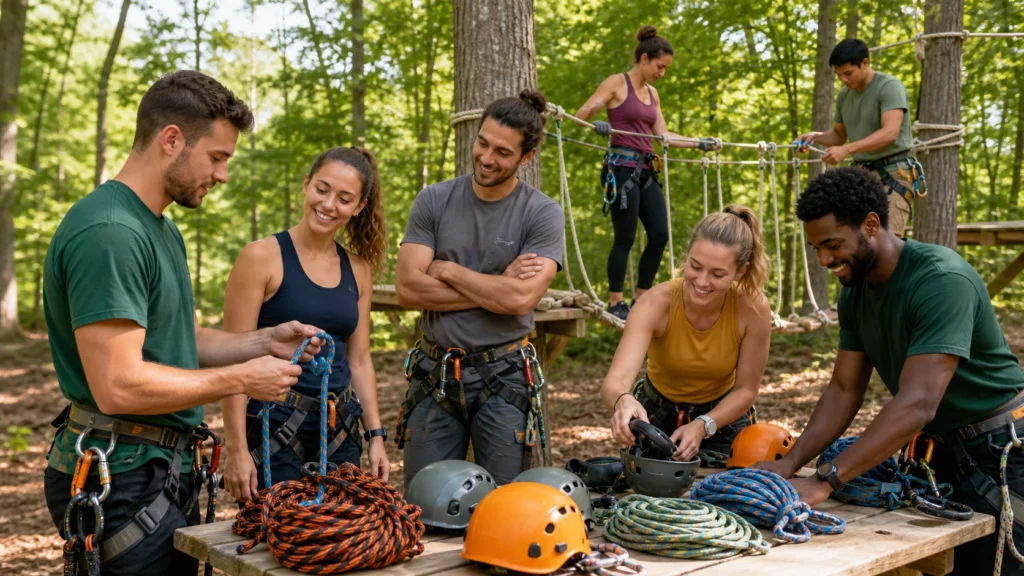
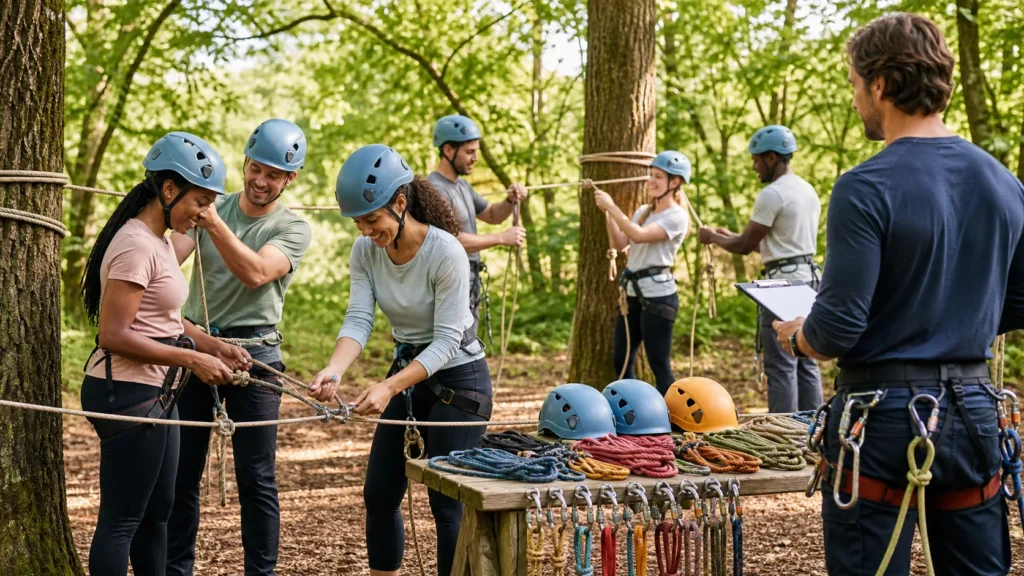
- Low ropes elements that need balance and trust
- Problem-solving trails with clues to crack in small teams
- Cooperative team challenges using simple equipment
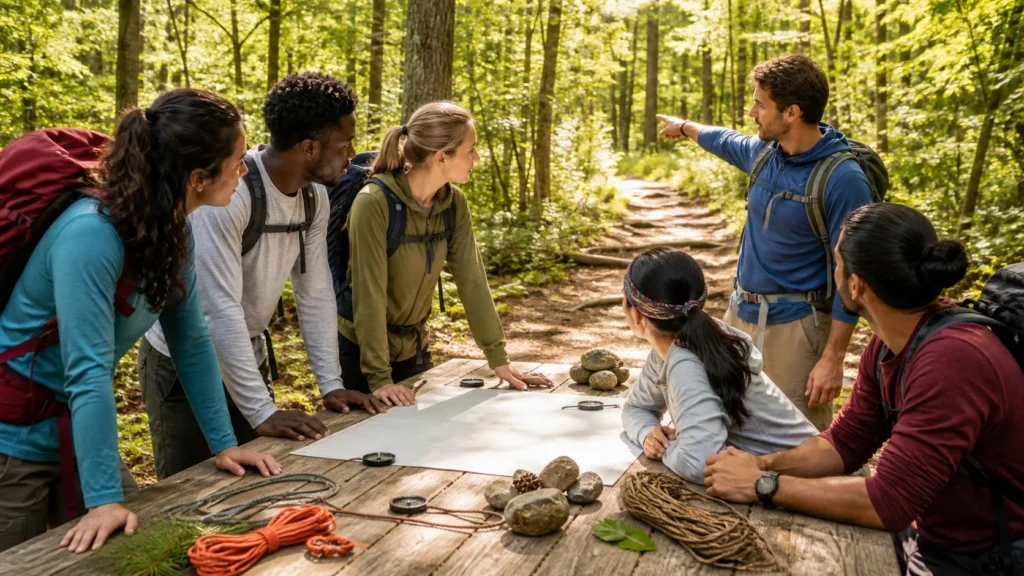
- Creative bushcraft-style activities, such as shelters or simple nature art
- Mini-sports tournaments with small-sided games
Groups are planned so 3 to 5s, 6 to 9s, 10 to 13s and 14 to 16s each get the right level of stretch. For younger children, that might mean short bursts of activity and simple rules. For older ones, it could mean more complex problems, leadership roles or added time pressure.
Every activity is mapped to skills:
- Low ropes build communication, trust and careful listening
- Orienteering-style tasks build planning, perseverance and patience
- Cooperative games build empathy, shared decision-making and turn-taking
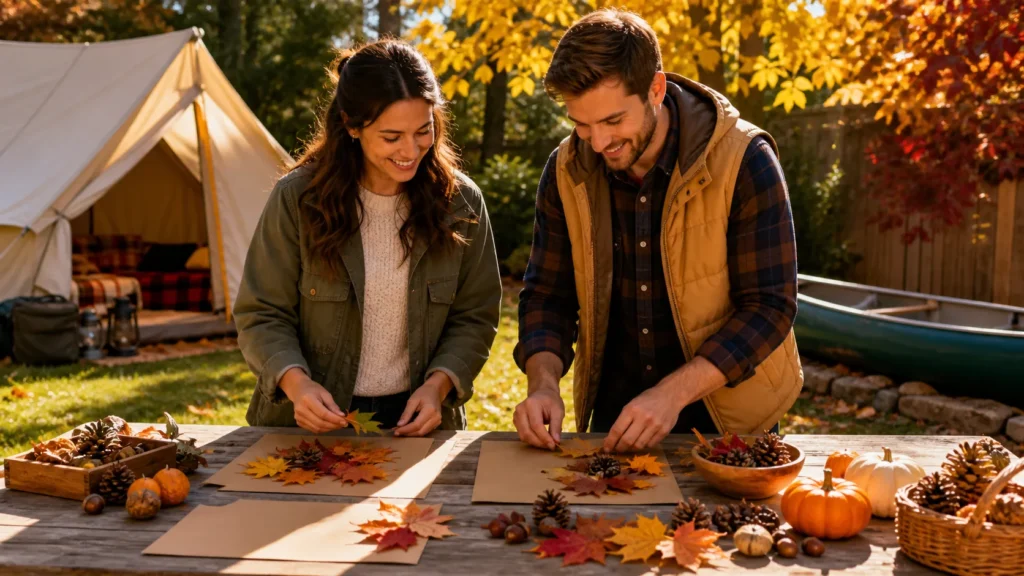
- Creative tasks build imagination, fine motor skills and pride in finishing something
Instructors often rotate roles within each group so children can be leader, navigator, timekeeper or encourager at different points. This helps them practise both speaking up and stepping back.
Lunch is usually between 12:30 and 13:30. Children eat in shaded or indoor spaces, with time to rest and chat. After eating, there might be:
- Simple playground games
- Quiet corners for reading or drawing
- Space for small craft activities
The social learning here is powerful. Children invite others into games, share ideas for what to play or sort out small disagreements. Staff stay close enough to guide but give space so friendships can grow naturally.
Afternoon High-Energy Sessions and Resilience
From 13:30 to 15:00, energy levels rise again. This is the time for peak adventures, such as:
- Climbing-style elements or higher low-rope sections
- Water-themed games if the weather suits it
- Bigger team sports or multi-stage challenges
- Creative tasks that require planning, like building and testing a design
We work with “challenge by choice.” Children are invited to stretch themselves, but they choose how far to go. That might mean:
- Standing at the base of a climbing element the first time
- Going one rung higher than yesterday
- Taking a new role in a team, such as speaking in front of the group
Setbacks are normal and welcomed. Maybe a team does not solve a puzzle in time, or a group drops a ball in a relay. Instructors help them pause and reflect with simple questions:
- What worked well for your team?
- What would you try differently next time?
- Who helped you when it felt tricky?
From 15:00 to 16:00, the pace slows. There are calmer games, cool-down stretches and creative activities like drawing, group storytelling or sharing the “best bit” of the day. Short reflection circles are age-appropriate. Younger ones might name something they tried that was new. Older groups might talk about what challenged them, what they are proud of and who in the group supported them.
Pick-up is organised and calm. Staff make sure each child goes with the right adult and offer quick feedback about highlights, new friendships or brave moments.
Behind the Scenes, Instructors and Safety
A camp day is guided by a team that usually includes:
- Camp managers who oversee the site and timetable
- Activity instructors who run sessions and keep energy high
- Early years specialists for 3 to 5s who understand younger needs
- Support staff who help with additional needs and group care
All staff are recruited with care, with checks and training that meet Ofsted expectations. Safeguarding, behaviour support and positive language are core parts of how the team works with children.
Safety and inclusion shape the whole day. Group sizes and ratios are planned so children are supervised but still feel free to explore. Staff use:
- Clear site boundaries and rules that are explained in child-friendly ways
- Regular headcounts, especially at transitions
- Simple signals to bring groups together quickly
Activities are adapted so every child can join in the spirit of adventure-based learning, whether they are very active, more cautious, have additional needs or are simply having an off day.
Behind each session there are clear learning outcomes around confidence, teamwork and resilience. Instructors turn these into fun, story-led games, rather than formal lessons. Tools like debrief questions, “stars and wishes” feedback and specific praise help children see the skills they are building. Over time, they start to say things like, “I was nervous, but I tried anyway,” or, “We finished that because we listened to each other.”
Turning Holiday Fun Into Lasting Skills
By the end of a full day at an adventure-based learning camp in Leeds, children go home tired but proud. They have moved their bodies, solved problems with others and faced small challenges that prepare them for the return to school. Confidence grows because they have tried new things. Teamwork improves because they have worked with different children across the day. Resilience builds each time they try again after something does not go to plan.
For parents, a little planning makes the day smoother. It helps to pack:
- Layers of clothing for changeable weather
- A light waterproof and sun protection
- A clearly labelled water bottle and packed lunch
- Comfortable shoes for running, climbing and exploring
If a child is nervous, keeping drop-off positive and brief can help. Sharing any worries with staff at the gate means we can support them through those first tricky minutes. Later, at home, simple questions like, “What did you try today that felt brave?” or, “Who did you help in your group?” help children link camp experiences to everyday life.
Adventure-based learning at camp is about so much more than a fun day out. It is a safe, inclusive space where play and structured activities blend into real skill-building, ready for whatever the next school term brings.
Give Your Child Confidence Through Real-World Adventures
If you are ready to see your child thrive beyond the classroom, explore our adventure-based learning programmes and discover how practical challenges can build resilience, teamwork and independence. At Adventure Camps, we design every activity to help children grow in confidence while having unforgettable fun outdoors. If you have any questions or would like help choosing the right camp, simply contact us and we will guide you through the next steps.