Why Confident Teens Still Need Summer Holiday Camps
Many parents feel their teenager is too grown up for summer holiday camps. If a young person seems outgoing, organised and happy at school, it can be easy to think they no longer need any kind of childcare or structured activities once term ends.
But confidence on the surface does not always show what is going on underneath. Teens still need space to work through stress, friendships, online life and big choices about their future. A good camp is not just a place to keep them busy; it is a chance to stretch their independence, try new things and practise real responsibility in a safe setting.
As children move through secondary school, the label of “babysitting” puts many families off. In reality, the older years can gain a huge amount from well-planned summer holiday camps. They get time away from school pressure, new people to learn from and a chance to see what they can do without a parent or teacher hovering.
Hidden Pressures Confident Teens Do Not Talk About
The school year can feel like a pressure cooker for teens. There are big exams, constant testing, busy homework schedules and clubs. On top of that, there is the weight of social media, where they can feel watched and compared all day and night.
Even very capable teens may feel they have to be “on it” all the time. They can slip into thinking every activity must be productive, every grade must be high and every move with friends must look perfect online. That is a draining way to live, even if they do not show it.
Summer matters because it can be a natural pause. A well-designed camp gives:
- Time to relax without falling into endless screen time
- Days where effort is praised but not graded
- Room for mistakes that do not appear on a report or online
- Adults who know how to support teens without treating them like small children
When no one is ranking them, teens can try things, get them wrong, laugh, reset and try again. This is how real resilience and self-knowledge grow, not from perfect scores but from safe chances to wobble and recover.
Beyond Grades, the Real-World Skills Teens Are Craving
Schools do a lot for academic progress, but life outside the classroom asks for other skills as well. Confident teens still need practice in:
- Leadership that is kind, not bossy
- Working with people of different ages
- Solving practical problems when plans change
- Speaking up clearly with adults and peers
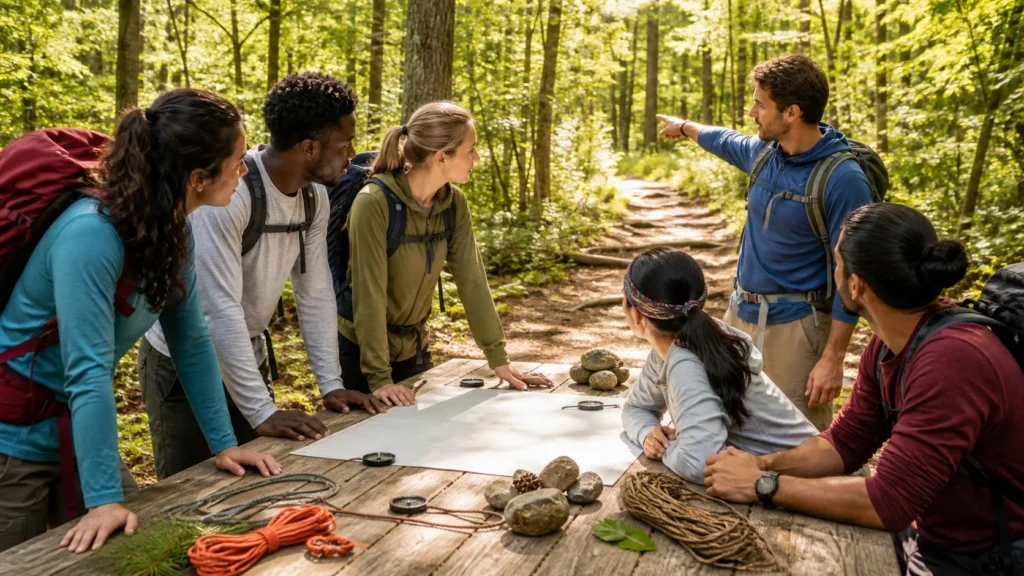
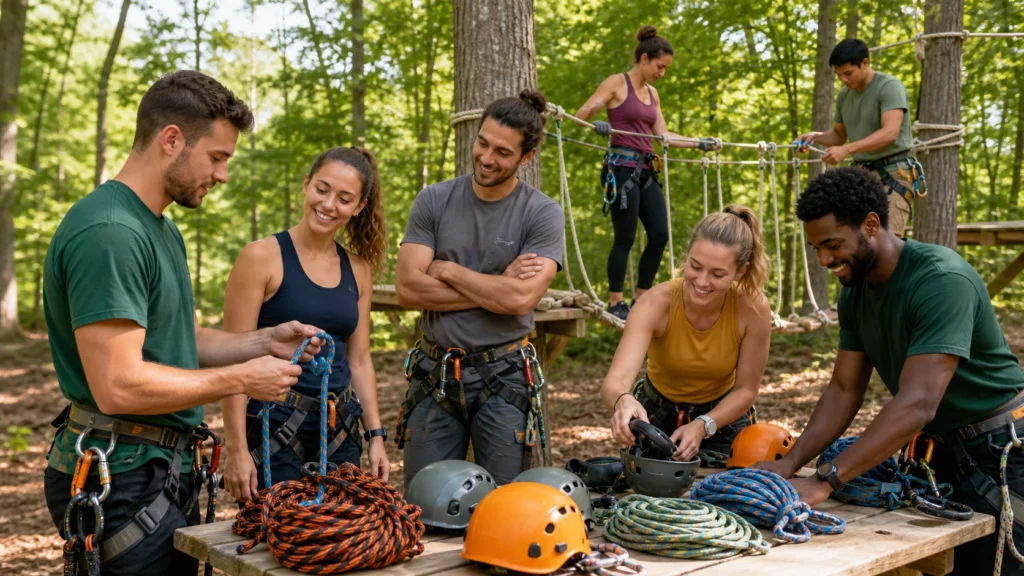
Multi-activity and specialist summer holiday camps can bring all of this into simple, hands-on tasks. Outdoor games build teamwork and decision-making. Group challenges ask them to plan, listen and share roles. Creative sessions show them how to move from an idea to a finished piece of work.
At Adventure Camps, we focus on confidence, creativity and real-world skills for children and teens aged 3 to 16. Our older groups across Leeds, York, Yarm and Cambridge are given chances to lead parts of activities, support younger campers and stretch their own interests, not just repeat what they do at school.
Building Healthy Independence Before Big Milestones
The teen years are full of big steps. The transition into secondary school, choosing subjects, thinking about sixth form, college or apprenticeships, even starting part-time work. Each of these asks for a bit more independence.
Summer holiday camps away from a familiar school site quietly prepare them for this. They learn to:
- Keep track of their own kit, lunch and water
- Get to activities on time without constant reminders
- Ask questions and share worries with adults they do not live with
- Cope with changing plans or British weather without drama
This is “structured independence”. There is support, but not someone fixing everything for them. The habits they build at camp carry over into life at home, like travelling on their own for short journeys, managing screen use, choosing friends wisely and looking after their sleep and mood.
Parents often want teens to show more responsibility, but it is hard for them to grow that if every day looks the same. A different setting with clear routines and expectations can be the bridge between childhood and full independence.
Friendship, Identity and Life Offline Again
During long breaks, many teens slip into late nights, gaming and constant scrolling. Friendships can become almost entirely digital. Even if a teen seems relaxed with this, it can leave them tired, touchy and unsure who they really are away from a screen.
Camps give social variety that school sometimes cannot. Teens can:
- Meet people outside their usual class or year group
- Connect with others who share niche hobbies or interests
- Step away from fixed school labels like “sporty” or “quiet”
Mixed-age activities help them practise empathy and patience. They might help a younger child with a task, or learn a new skill from someone older or more experienced. This builds a broader, more flexible sense of who they are.
Screen-light, activity-rich days help them tune back into their own body and mind. Moving, making, building and playing bring back a sense of fun that is not measured by likes or streaks. Many teens find their mood lifts when they remember they can enjoy a day without checking their phone every few minutes.
Choosing the Right Camp for a Self-Assured Teen
Not every camp will feel right for a confident teen, and that is ok. It is worth taking a bit of time to choose carefully so they feel respected, not talked down to.
Things to look for include:
- Ofsted registration and clear safeguarding information
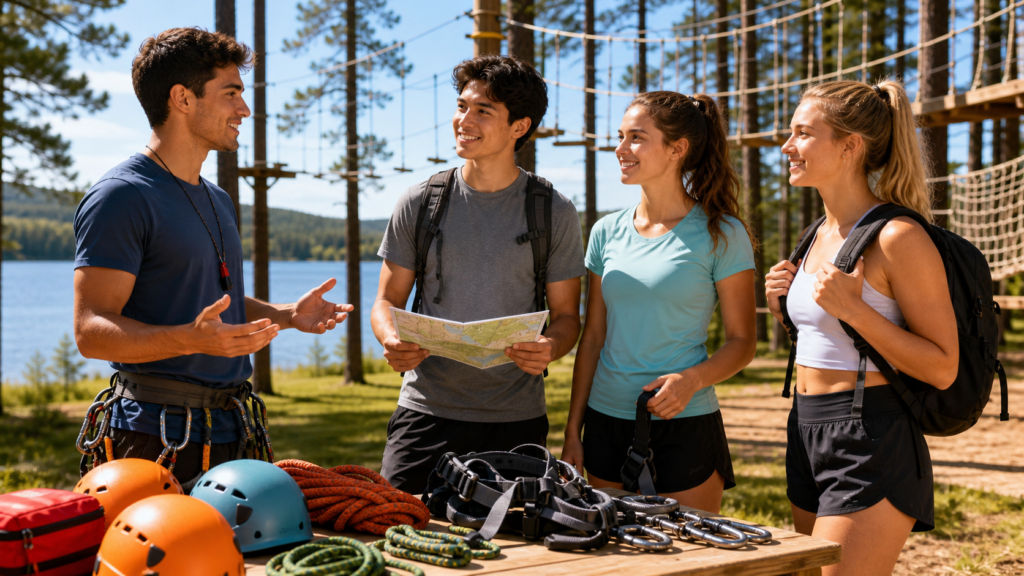
- Staff who sound experienced with older children and teens
- Activities that look like a genuine challenge, not just “keeping them busy”
- Group sizes and set-up that allow for some independence
It helps to bring your teen into the decision. You might:
- Look together at the mix of multi-activity and specialist options
- Talk about sites that are easy to reach, such as Leeds, York, Yarm or Cambridge
- Agree a simple goal for camp, like trying a new sport or feeling more relaxed in groups
Teens often respond best to camps that balance structure with freedom. A clear timetable plus space to choose sessions or roles means they feel trusted. When they know their voice matters, they are much more likely to show up ready to join in, not with arms folded.
Confident teens still need places where they can grow without pressure, enjoy time offline and practise being the young adults they are becoming. Summer holiday camps, chosen with care and respect, can offer exactly that.
Give Your Child An Unforgettable Summer Adventure
Our carefully designed summer holiday camps help children build confidence, independence and friendships that last long after the season ends. At Adventure Camps, we combine exciting outdoor activities with attentive care so you can feel completely at ease. If you have any questions about dates, locations or availability, simply contact us and we will help you find the right option for your child.