Spotting the Summer Confidence Boost Your Child Needs
Choosing childcare for the long school holidays can feel like a big decision. You want your child to be safe and well looked after, but you also want their days to be fun, active and meaningful. Multi-activity camps can be a great way to tick all those boxes, giving children space to play, make friends and try new things while you work or manage busy family life.
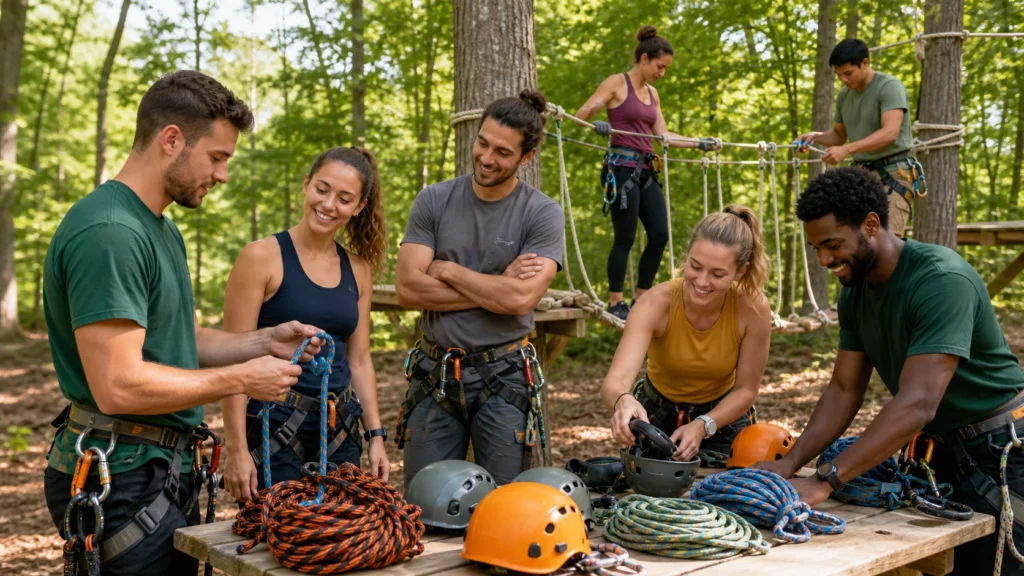
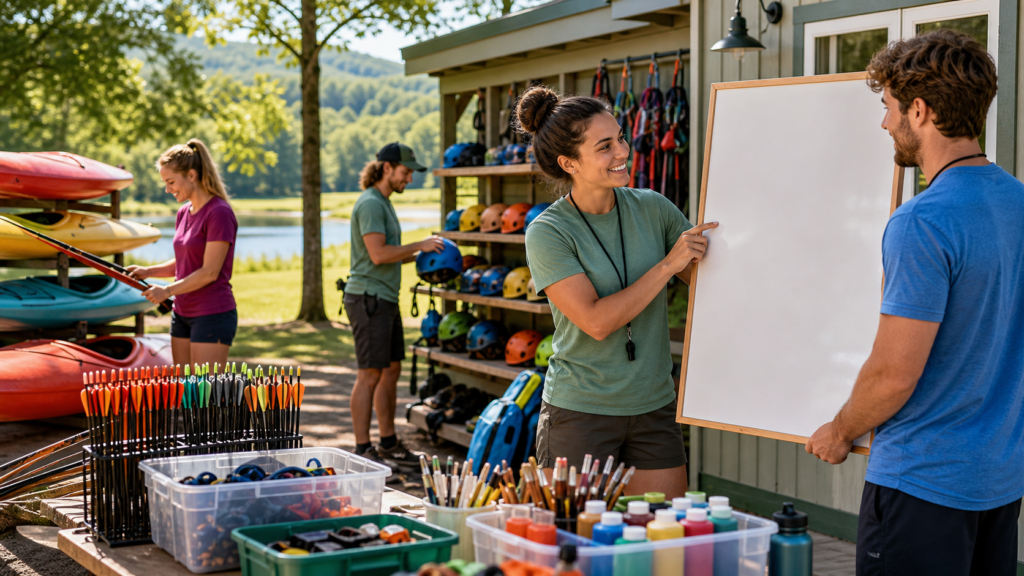
Multi-activity camps bring together sport, creative sessions and outdoor adventures in a structured, supervised setting. Children are grouped by age, supported by trained staff and guided through a varied timetable. It is childcare, but with added excitement and plenty of chances to learn about themselves and others.
There are often small signs that show when a child is ready for this kind of experience. From growing independence to a clear hunger for new challenges, these signals can help you decide if this summer is the right time. For families in and around Leeds, York, Yarm and Cambridge, we see these signs every holiday at Adventure Camps and watch children thrive when the timing is right.
Growing Independence and Curiosity About the World
One of the strongest clues that your child is ready for multi-activity camps is a new sense of independence. You might notice they want to do things themselves, even if it takes a bit longer.
For example, you might see them:
- Insist on getting dressed alone
- Want to pack their own bag for school or nursery
- Ask to choose their snack, drink or outfit
- Show pride when they finish small tasks without help
These everyday moments show they are learning to manage short separations and listen to other adults, which is exactly what happens at camp.
Curiosity is another big sign. A child who asks questions about everything, wants to try different sports or copies things they have seen in PE or on TV is often ready for more variety. When the usual toys and screen time are starting to feel boring, a camp with changing activities through the day can be a good next step.
It also helps if your child can handle new places in small doses. If they have settled into nursery, reception or after-school clubs, or if they can now manage a birthday party without you staying the whole time, they are already practising the kind of gentle bravery that makes camp less daunting.
Social Skills That Shine in Group Adventures
Multi-activity camps are busy, social places, so it helps if your child enjoys being around other children. This does not mean they have to be the loudest person in the room, just that they show interest in peers and group play.
Signs of social readiness include:
- Talking about friends from school or nursery
- Asking for playdates or to join clubs
- Joining in with simple group games in the park
- Showing excitement about seeing familiar children again
Team games and shared challenges are a big part of camp life, so early teamwork skills are helpful too. If your child is starting to take turns, share toys (even if they need reminders) and follow simple group rules, they are already building the habits that help them feel secure in a structured setting.
Another positive sign is growing resilience around other children. Maybe they:
- Cope with losing a game without a full meltdown every time
- Can say sorry with a prompt after a disagreement
- Are willing to try again at a tricky task with a bit of encouragement
Camp days are full of small ups and downs, from winning races to missing a goal. Being able to bounce back, with support from staff and peers, is a big part of the learning that happens at multi-activity camps.
Ready for Routines, Rules, and a Full-on Day
Camp days are active and full, so it helps if your child can already manage a normal school or nursery day without coming home exhausted and tearful every time. Children who finish the day “happily tired” are usually well suited to the pace of multi-activity camps.
You might notice your child:
- Follows morning routines like getting dressed, breakfast and out the door
- Understands classroom rules such as lining up or tidying away
- Can sit and listen for short periods when needed
Clear boundaries keep everyone safe in a busy camp environment, from moving between activities to staying in agreed areas. If your child shows they can respond to simple house rules or club guidelines, even if they still test them occasionally, they will find it easier to feel secure and included.
There are also a few practical signs of readiness:
- Younger children are mostly toilet trained, with the odd accident handled calmly
- They can tell an adult when they are hungry, tired or hurt
- They can manage a packed lunch or snack with light help
- They can look after a water bottle, hat or jumper with reminders
These skills mean staff can focus on fun and safety, and your child can focus on enjoying themselves.
Signs of Summer Restlessness and Need for New Challenges
As term-time routines fall away, many children start to show clear signs that they need more stimulation. You might notice:
- Rising complaints of “I am bored”
- Longer and longer periods spent on screens
- Restlessness that builds into squabbles or clinginess
This is often a sign your child is ready for more structured fun. A multi-activity camp offers a daily mix of sport, creative play and outdoor time that can break the cycle of boredom without you needing to plan every moment.
Some children also start asking for particular activities. They might talk a lot about football, climbing, arts, water play or school trips. Multi-activity camps usually offer a blend of these, which means your child can sample different things in one place instead of signing up for lots of separate clubs.
There is also the child who is comfortable but not really stretched at home or in usual activities. They may avoid trying new things in their familiar settings but could respond well to supportive nudges in a fresh environment. Adventure-based learning, like exploring outdoor spaces or taking part in team challenges, can gently widen their comfort zone while still feeling safe and fun.
Matching Your Child to the Right Multi-Activity Camp
Once you feel your child is ready, the next step is choosing a camp that suits their age, personality and your family’s routine. Younger children, roughly 3 to 7, usually enjoy nurturing, play-focused days with plenty of movement breaks and calm time built in. Older children, up to 16, may want more specialist sessions, higher energy games and chances to build specific skills.
It is worth thinking about:
- Whether your child prefers busy, high-energy groups or smaller, calmer spaces
- How they respond to new adults and new routines
- Their favourite activities and any worries they have about camp
Safety and inclusivity are key. Ofsted registration, clear safeguarding processes and trained staff all help create a secure base for children to explore from. A welcoming attitude to different needs, backgrounds and abilities also makes a big difference so every child feels they belong and can join in.
Practical fit matters too. For families in Leeds, York, Yarm and Cambridge, choosing a location that is easy to get to, with timings that match your work or travel plans, keeps mornings and pick-ups less stressful. You might also look for ways to ease first-day nerves, such as:
- Talking through what a typical day might look like
- Practising packing a bag together
- Arranging that they start on a day when they are well rested
Taking these steps can help your child arrive feeling ready to enjoy a summer of adventure at multi-activity camps.
Give Your Child An Unforgettable School Holiday Adventure
If you are ready to turn school breaks into days filled with confidence-building activities and new friendships, our multi-activity camps are a great next step. At Adventure Camps, we carefully plan every session so children are engaged, active and well looked after from drop-off to pick-up. Explore the programme that best suits your child, then contact us with any questions or to confirm your preferred dates.