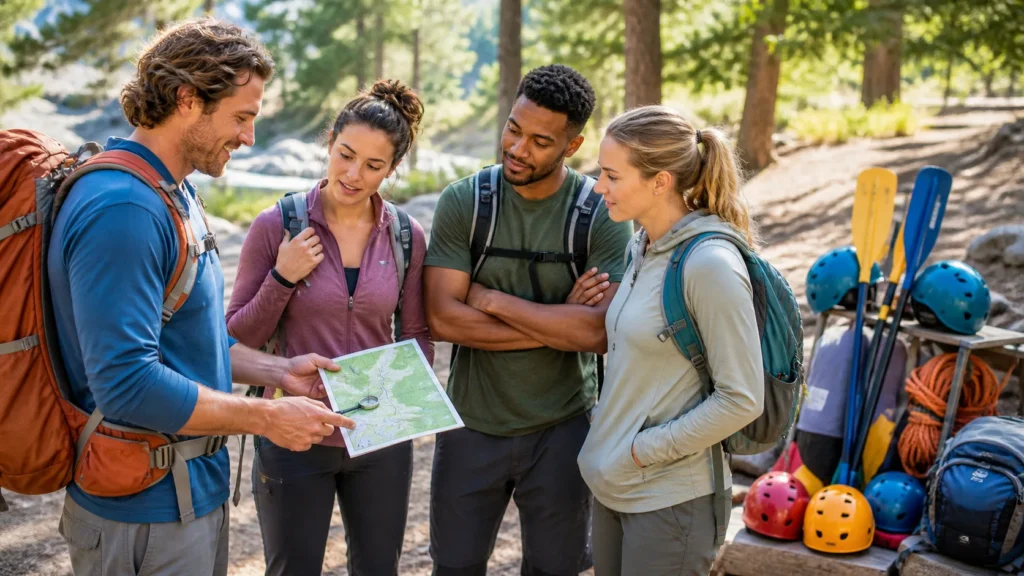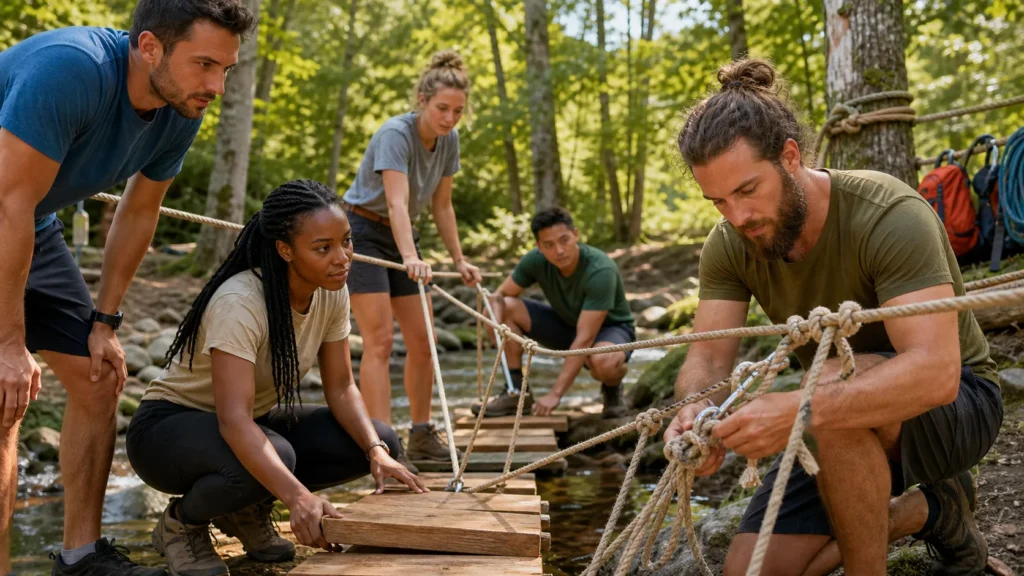
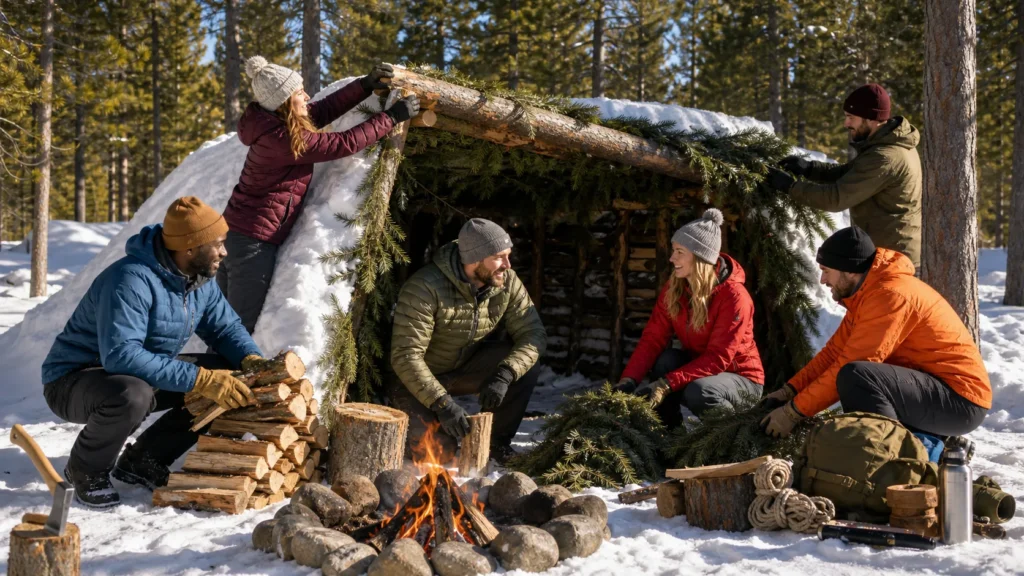
Winter weather can give children plenty to notice, touch, build and explore. Although November brings shorter days, chilly air and muddy ground, bushcraft camps can turn those changes into positive challenges. With caring guidance and activities suited to each child, we help young people see the outdoors as a place for discovery, not somewhere to avoid until spring.
Resilience means having the confidence to try, adapt and keep going when something feels hard, new or a little uncomfortable. For children aged 3 to 16, that might mean having another go at a knot, sharing an idea with a group or putting on waterproofs and joining an outdoor game. These small moments can add up to a stronger sense of “I can have a go”.
Winter Bushcraft Builds Resilient Young Explorers
Bushcraft camps are structured, supervised opportunities to enjoy nature while learning practical outdoor skills. They are not about making children “tough” or asking them to cope alone. Instead, we create a welcoming setting where they can explore, ask questions and build confidence at their own pace.
Every child arrives with different interests, abilities and levels of outdoor experience. Some may be ready to lead a group activity, while others may prefer to watch first and join in when they feel comfortable. By adapting activities and offering encouragement, we can help children take part in ways that feel manageable.
Across our holiday childcare in Leeds, York and Yarm, a varied camp day can bring together active play, specialist activities and time to make friends. Bushcraft fits naturally into that mix because it gives children a shared purpose outdoors, while still leaving room for fun, creativity and choice.
Outdoor Challenges Encourage Calm Problem Solving
Nature does not always follow a neat plan, and that is part of what makes it such a useful place to learn. A stick may be too damp, a den may need a stronger base or a group may realise that its first idea is not working. In a supported camp setting, these are not failures. They are chances to pause, think and try a different approach.
Rather than stepping in with every answer, our leaders can use simple prompts that help children work things out. Questions such as “What could you try next?” or “What do you notice about this material?” encourage children to observe, test ideas and talk through a solution together.
Bushcraft activities can give children practice with:
- Choosing suitable natural materials for a task
- Following clear instructions in the right order
- Taking time before making a decision
- Adjusting a plan when something changes
- Asking a friend or adult for support
These habits can carry into everyday life. A child who learns that it is fine to rethink a den design may feel more willing to attempt a tricky classroom task. Someone who practises listening to a teammate may find it easier to handle a disagreement or join a new hobby.
Cold Days Can Become Capable Days
Winter bushcraft is not a survival test. We focus on helping children feel comfortable outdoors with the right preparation, sensible boundaries and plenty of encouragement. When children understand that cold or wet weather can be managed, they may feel less worried about joining in.
Age-appropriate activities can include nature identification, den building, knot tying, outdoor games, simple tool awareness and learning how to stay comfortable outside. Each activity gives children a chance to use their hands, notice their surroundings and take pride in learning something new.
Preparation is part of the learning, too. Children can begin to understand why warm layers, waterproof clothing, breaks and hydration matter during outdoor play. This is useful knowledge because it helps them recognise what they need to feel ready and comfortable.
Achievement often looks different for every child. It could be tying a knot after several attempts, suggesting a good idea, or helping a team project take shape. For children who do not always enjoy competitive sports, bushcraft camps can offer a different kind of success, one built around curiosity, cooperation and giving things a try.
Shared Tasks Build Teamwork and Kindness
A shelter, nature challenge or group game gives children something to work towards together. That shared goal can make conversations feel more natural, especially during school holidays when children are meeting peers outside their usual classroom routine. Away from screens, they can connect through practical tasks and outdoor play.
Groups work best when different strengths are noticed and valued. One child may be brilliant at spotting useful materials, another may enjoy planning, and someone else may be happiest assembling, carrying or testing the finished creation. There is room for many kinds of contribution.
During group activities, children can practise:
- Listening carefully to someone else’s idea
- Explaining their own thoughts clearly
- Taking turns with equipment and tasks
- Encouraging a teammate who feels unsure
- Celebrating progress, even when the task takes time
Kindness matters just as much as problem solving. When children share fairly, offer reassurance or notice another person’s effort, they help make camp feel safe and welcoming. Those social skills can support a more confident return to school after the break.
Safe Skills Support Growing Independence
Parents and carers rightly want reassurance that winter outdoor activities are planned with children’s wellbeing in mind. Positive bushcraft experiences should include clear boundaries, suitable adult support, regular check-ins, rest periods and sensible adjustments when weather conditions change. We understand the importance of structured holiday childcare where children are encouraged but never pressured.
Safe risk-taking is different from unnecessary risk. Children can learn to look at a task, listen to instructions, use equipment responsibly and recognise when they need help. These are valuable lessons because independence is not about doing everything alone. It is about making sensible choices and knowing when to ask for support.
Before a winter camp day, it helps to check the activity details, age guidance, location information and clothing advice. Arriving with suitable layers and waterproofs can help children focus on the fun of the activity, rather than the weather. With thoughtful preparation and a willingness to have a go, winter can become a season of proud, capable outdoor learning.
Build Confidence Through Outdoor Skills
At Adventure Camps, our bushcraft camps give children practical opportunities to develop independence, teamwork and problem-solving skills. Each session is designed to make outdoor learning engaging, supportive and memorable. To discuss the right experience for your child, contact us.